Guide · 5 min read
Best Etsy Alternatives for Jewelry Sellers in 2026
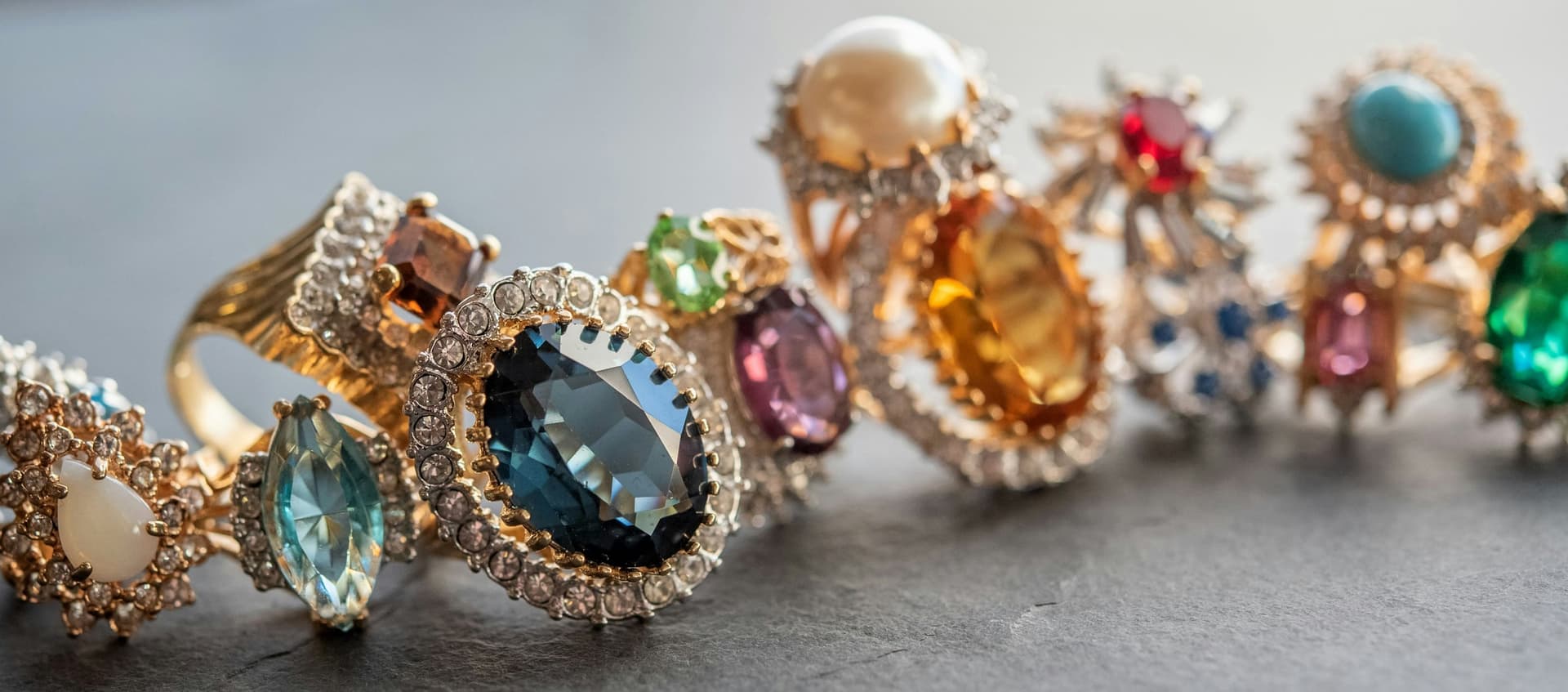
Etsy used to feel like the obvious home for anyone selling jewelry online. Lately, a lot of sellers are quietly shopping around. Maybe the fees finally added up. Maybe your hand-forged rings keep getting buried under mass-produced lookalikes. Maybe you sell vintage or pre-loved pieces and the platform never quite fit you in the first place.
Whatever pushed you to search “Etsy alternatives,” here’s an honest look at where jewelry sellers actually land, and who each platform genuinely fits.
Why jewelry sellers leave Etsy
Usually it comes down to two things. First, the fees stack: 6.5% + 3% + $0.25, plus $0.20 to list, plus Offsite Ads at 15% on sales that come through Etsy’s ads (12%, and mandatory, once your shop passes $10,000 a year). No single fee feels outrageous, but on a $50 pair of earrings the base fees alone come to about $5.20, before shipping and any ad fee.
Second, the platform has drifted. Etsy built its name on handmade and vintage, but sellers of genuinely handmade jewelry now compete in search results with pieces that look suspiciously like they came off a factory line (because plenty of them did). When buyers can’t tell your soldered-at-the-bench ring from a $3 dupe, the thing that made Etsy special stops working for you.
So where do you go instead? Depends on what you sell.
StillSparkly
Best for: jewelry sellers of every kind. It’s all we do.
StillSparkly is a jewelry-only marketplace, and that changes the math on everything else. Your listings aren’t buried under sweatshirts and vintage lamps. Every single buyer browsing the site is there for jewelry, and the search filters were built for it, so a buyer can narrow by metal, stone, chain length, ring size, or era. (Try finding a ring size filter on a general resale app. We’ll wait.)
The fees are one line, not a stack: a flat 8% commission. No listing fees, no offsite ads, no thresholds. On that same $50 sale, StillSparkly takes $4. (Fees as of October 2026.) (If you’re not sure what to charge in the first place, here’s how to price jewelry for resale.)
If you’re a maker, there’s a Handmade toggle that puts a badge on your work so it never reads as just another resale listing. And the mass-produced flood that’s been drowning Etsy? StillSparkly blocks dropshipped jewelry outright, so you’re not competing with factory listings wearing a handmade costume.
Listing is also genuinely fast. Take a few photos and StillSparkly writes the title, description, and details, usually in under a minute. No shop banner to design, no cohesive aesthetic to maintain, no performance expected. List, sell, ship.
eBay
Best for: high-value fine jewelry and rare vintage.
Fees for jewelry are 15% + $0.40 per order, nearly twice StillSparkly’s 8%. What you get for it: an enormous audience willing to dig through detailed listings, solid buyer protections, and GIA-backed authentication on fine jewelry over $500. If you’re selling a diamond tennis bracelet, eBay earns its fee. For everyday jewelry, the infrastructure is overkill and the audience match is off. (Head to head: eBay vs StillSparkly for jewelry.)
Poshmark
Best for: sellers who already have a Poshmark closet and following.
Poshmark takes 20% on sales over $15 ($2.95 flat below), which is the steepest cut on this list. Its filters were built for clothing, so a buyer hunting for a 16-inch gold-plated chain just gets “necklaces” and a lot of scrolling. If you’re already selling clothes there and jewelry is a side dish, fine, keep going. As a primary jewelry venue, it’s a tough sell. (Head to head: Poshmark vs StillSparkly for jewelry.)
Mercari
Best for: fast, no-fuss listings on lower-priced items.
Mercari’s listing flow is quick and its buyers like a bargain. The weak spot for jewelry is search: with few jewelry-specific filters, your gold-plated huggies land next to $3 dupes, and a buyer can’t narrow by metal or length. You’ll get views, just not always from the people who’d pay your price. (Head to head: Mercari vs StillSparkly for jewelry.)
Instagram (and going it alone)
Best for: sellers with an existing audience that already buys from them.
No platform fees sounds great until you realize what you’re signing up for: you handle payment, buyer protection, shipping labels, and getting found, all yourself. Every sale is a DM negotiation. It works at low volume with a warm audience, and it scales painfully. The same logic applies to standing up your own store: total control, zero built-in buyers. (Head to head: selling jewelry on Instagram vs StillSparkly.)

If you make the jewelry yourself
Makers have more Etsy alternatives than resellers do, because a lot of them aren’t marketplaces at all. The ones worth knowing:
- Your own website. No commission and your own customer list, in exchange for a monthly plan and doing all your own marketing. It works best once people already look for you by name.
- Amazon Handmade. A huge audience, but you apply to join, pay a referral fee on each sale, and live with Amazon’s shipping and service expectations. Better suited to designs you can make repeatedly.
- Craft fairs, markets, and local boutiques. Upfront booth fees or a consignment split, but buyers can hold the piece, and many become repeat customers online.
- StillSparkly. Handmade pieces get a Handmade badge that shoppers can filter for, listing is free, and the fee is a flat 8%. Know the limits: each listing is one piece (no quantities or variations), there are no custom orders, and sellers and buyers must be in the US. It works best for one-of-a-kind pieces.
- Outside the US: in the UK, Folksy is the long-standing handmade-only marketplace that makers often pair with Etsy.
Most makers end up using two or three of these alongside Etsy rather than replacing it. Our guide to where to sell handmade jewelry goes deeper on each, and if you sell vintage instead, see Etsy alternatives for vintage jewelry.
Do you actually have to leave Etsy?
Honestly, no. If you’re a maker with an established shop, years of reviews, and steady sales, that equity is real and you shouldn’t torch it out of frustration. Cross-listing is normal. Keep the Etsy shop running, list the same pieces on StillSparkly, and watch where they actually sell. The platform with the better conversion (and the smaller cut) will make the case for itself.
But if you’re starting fresh, clearing out a jewelry box, or tired of paying a stack of fees to be buried under factory listings, the answer is simpler. StillSparkly was built for jewelry from day one: the buyers, the filters, the fees, all of it. List your first piece and see how it feels. And if you want the wider lay of the land, here’s our full guide to where to sell jewelry online.
Related guides
Where to Sell Handmade Jewelry Online
Etsy has the biggest handmade audience, your own site gives you control, and a jewelry-only marketplace adds another channel. Here's how they fit together.
Etsy Alternatives for Selling Vintage Jewelry
Etsy's 20-year vintage rule and stacked fees push some jewelry sellers elsewhere. What each alternative is good at, and when staying on Etsy is the right call.
Where to Sell Jewelry Online in 2026
An honest breakdown of where to sell pre-loved jewelry, what each platform is actually good at, and where StillSparkly fits in.
How to Price Jewelry for Resale (Without Underselling or Listing Something That'll Sit Forever)
Pricing pre-loved jewelry is the part most sellers either skip or sweat over for an hour and still get wrong. Here's a faster, better way.
Have jewelry to sell?
Take a few photos. We write the title, description, and price. You hit publish.