July 13, 2026 · 4 min read
How we look for dropshipped jewelry on StillSparkly
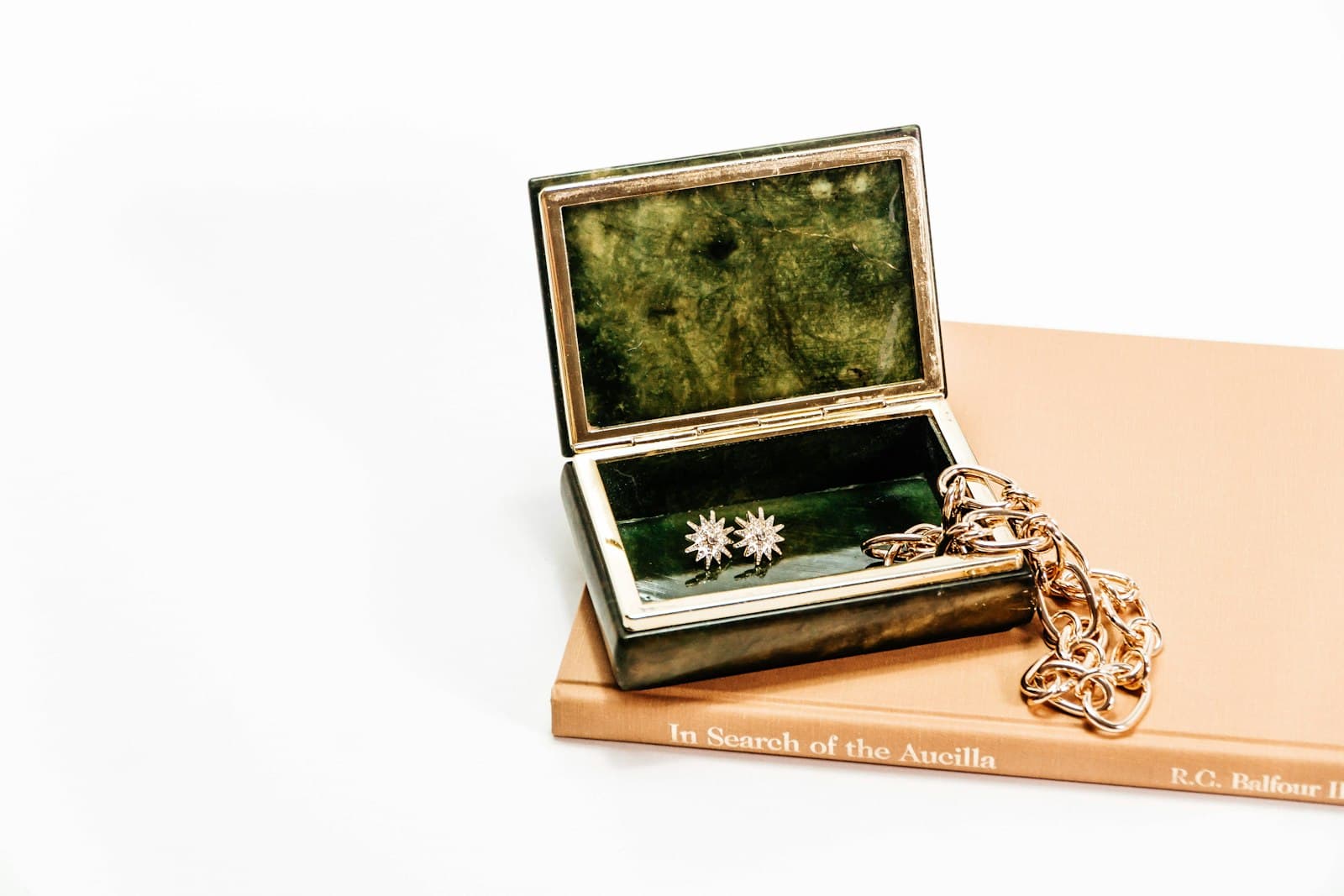
StillSparkly is meant for pieces that come from a real person. Pre-loved pieces out of somebody’s actual jewelry box (the ring your grandmother wore to every wedding for forty years, the bracelet someone bought on a trip and never quite got around to wearing), and handmade pieces straight off the maker’s own bench. That’s the whole point of this place: real pieces, from real people, with the piece sitting right there in the seller’s hands when they photograph it.
Which is why we care so much about keeping out the other thing. If you’ve shopped for jewelry on the big marketplaces lately, you already know the other thing: pages of identical “natural gemstone” rings with suspiciously perfect photos, listed by someone who has never touched the item and never will. A wholesale catalog with a storefront pasted on top. Dropshipping.
The $50 “natural sapphire” problem
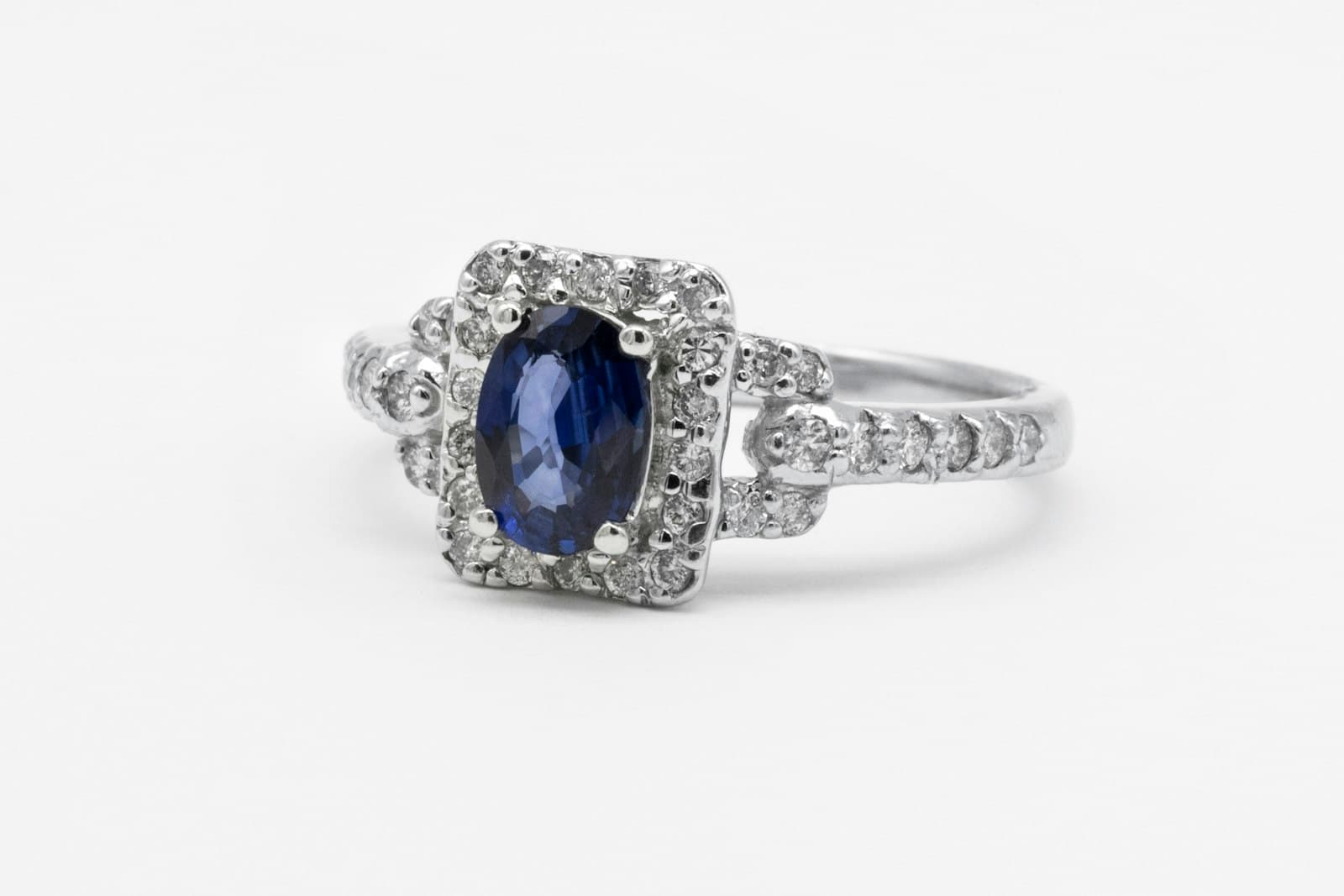
Here’s a real example from last week. A new seller listed six pieces on StillSparkly, including a “Natural Royal Blue Sapphire Ring” for $50. Sounds like a steal, right?
It’s not a steal, because it doesn’t exist. A genuine natural royal blue sapphire at that size runs hundreds to thousands of dollars for the stone alone. Fifty bucks doesn’t buy you a natural sapphire; it buys you glass with good lighting. And in this case, that’s exactly what it was: our automated screening looked at the photos, saw glass, and flagged the mismatch. All six listings were catalog items, and all six were off the site before the weekend was over.
That price-versus-claim gap is the heart of almost every dropshipped “gemstone” listing, by the way. It’s a useful instinct to carry with you anywhere you shop (we wrote more about that in how to tell if jewelry online is worth buying). If the price and the claim can’t both be true, the price is telling the truth.
The same math catches the metal, not just the stone. A “solid 14k gold” chain for $12 or a “925 sterling” ring for $4 has the same tell as the $50 sapphire: the material named costs more than the item does. If you want to check for yourself, here’s the real difference between gold-filled, gold-plated, and solid gold and how to tell if jewelry is actually sterling silver.
What happens when a listing doesn’t add up
Many new listings get screened by automated tools that compare what the seller claims against what’s actually in the photos. If someone says “sapphire” and the photos say glass, or the listing has the fingerprints of a wholesale catalog instead of a person’s jewelry box or workbench, it can get held in a review queue, where a human (hi, it’s me) takes a look before it goes in front of buyers. The screening isn’t perfect, and not every listing goes through every check.
And when something slips through anyway and we find it, we take it down. The six listings from last week were live for less than two days, had zero sales, and the seller got a message explaining exactly why they came down (with an open invitation to prove us wrong with their own photos, which, notably, has not happened).
What we promise, and what we don’t
I want to be straight about the limits, because trust dies the moment a marketplace overpromises. We don’t hand-inspect every item before it ships; no online marketplace does. Sellers describe their own pieces and attest that what they’re listing is what they’ll send.
What we do: we run automated checks on many new listings, some suspicious ones get a human look, we remove listings we find are misrepresented, and orders paid for on StillSparkly are covered by Buyer Protection. If a piece arrives that isn’t what the listing said (wrong metal, wrong stone, significantly not as described), you can open a case within 3 days of delivery, and if we approve it we refund what you paid. That’s the backstop under everything else.
Why this matters more than it might seem
Dropshipped junk doesn’t just rip off the person who buys it. It poisons the well for everyone. Once a marketplace fills up with $50 “sapphires,” buyers stop believing anything, and the person selling a genuine vintage piece at a fair price gets the same skeptical squint as the catalog reseller. So does the maker selling pieces she actually made. The whole reason buying here works is that the piece is real and the seller is real. Lose that, and you’ve just got another junk feed.
So we’d rather be the small marketplace that removes six listings on a quiet weekend than the big one where you have to be your own gem lab. If you ever spot something on StillSparkly that doesn’t pass the smell test, tell us with the Report button on the listing or by emailing support@stillsparkly.com. I’d genuinely rather hear about it twice than miss it once.
Have jewelry to sell?
Take a few photos and we draft the title, description, and a suggested price. You hit publish.
Start a listing