Guide · 6 min read
Vintage Clip-On Earrings: How to Buy, Wear, and Convert Them
Short answer: vintage clip-on earrings are earrings for unpierced ears, held on by a hinged clip or a screw back. Before you buy a pair, check that both clips close firmly and look at the stones and plating. To wear them comfortably, add clip-on cushions. You can convert them to pierced, but collectors prefer original backs, so keep the clips if you do.
Open almost any vintage jewelry box and you’ll find clip-ons, usually lots of them. Ear piercing didn’t really go mainstream in the US until the 1960s and ’70s, so for decades before that, if you wanted big, glamorous earrings, you clipped them on. That’s good news if you don’t have pierced ears (or don’t want heavy earrings hanging from them), and it means there are a lot of great pairs out there for not much money.
What kinds of backs do vintage clip-ons have?
Flip a pair over and you’ll usually find one of a few backs. The screw back is the oldest: a little screw you tighten against your lobe. The hinged clip took over from the 1930s and is what most people mean by “clip-on.” You’ll also see clips with a spring bar that snaps shut (often called paddle backs), and combination backs with a clip plus a small screw for adjusting the pressure, which are the most comfortable of the lot.
The type of back can help narrow down when a pair was made, as long as it’s original. Our guide to dating jewelry by its clasps and findings has the patent dates and the myths.
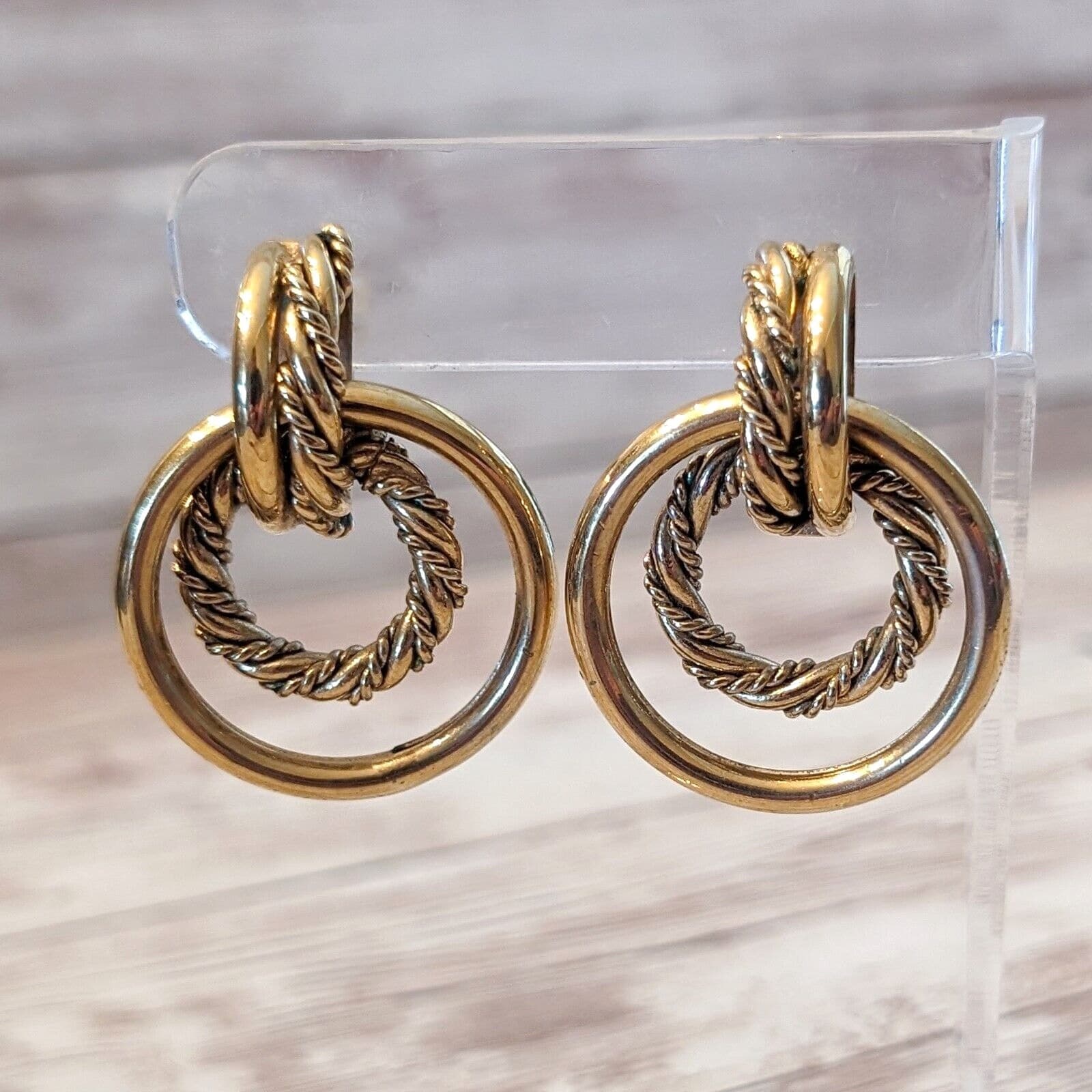
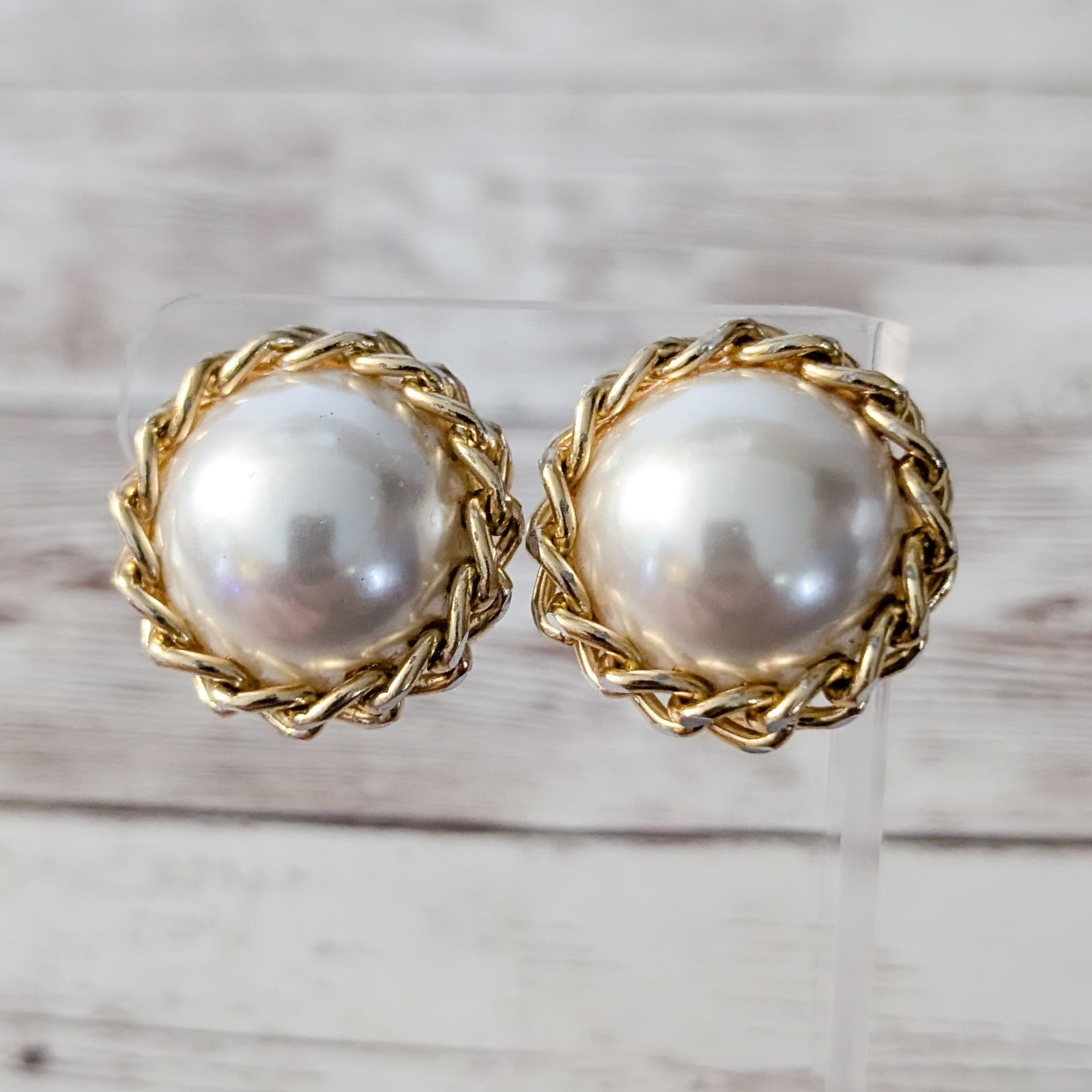
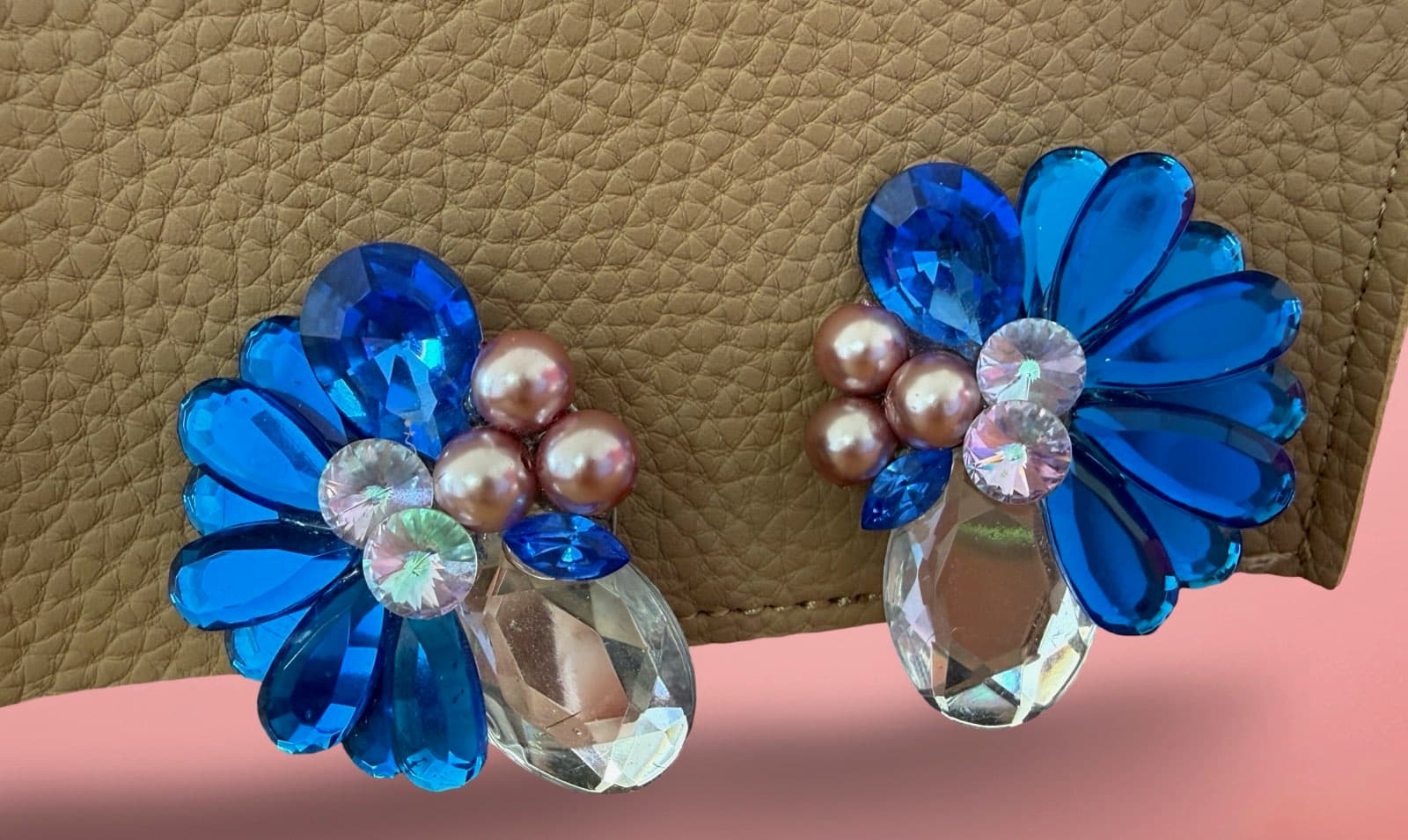
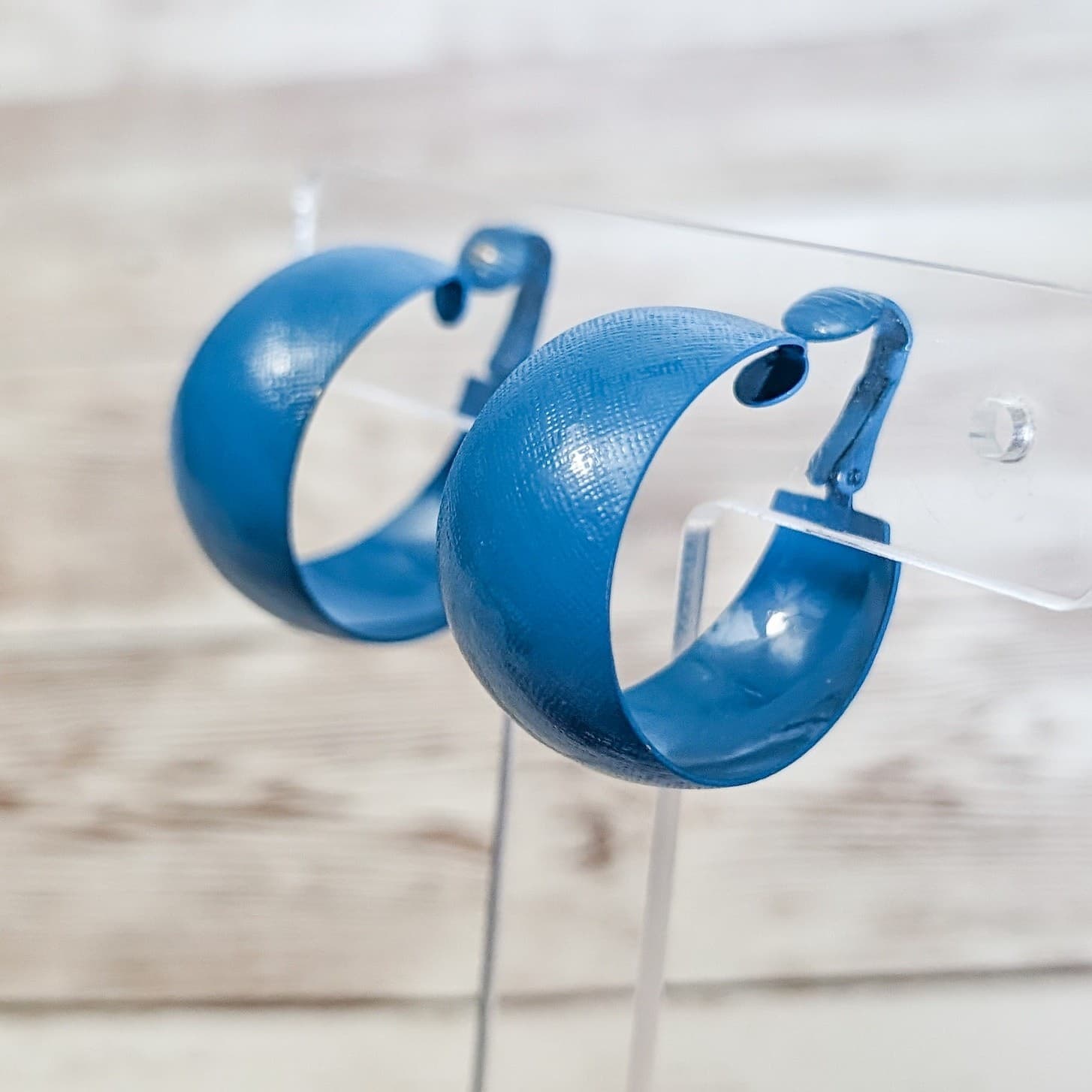
What should you check before buying vintage clip-ons?
Most of what goes wrong with vintage clip-ons is visible in a couple of good photos, so ask for a shot of the back if the listing doesn’t have one. Look for the maker’s mark on the back plate or under the clip (lift it up, since that’s where it likes to hide).
Then look at condition, starting with the clips. Both should close firmly and feel about the same, because a loose clip means a lost earring at dinner. Missing rhinestones are common, and dark or cloudy ones usually mean moisture got behind the foil. Worn plating shows up first on the edges and anywhere that touches skin. A green crust is verdigris, a reaction on the base metal; a little can be cleaned off, but a lot can mean the metal underneath is damaged. Original cushions often turn sticky or brittle with age, which looks bad in photos but is easy to fix, so don’t let old pads put you off an otherwise good pair.
As for value, most unsigned clip-ons sell for modest amounts, and signed pieces from makers like Trifari, Napier, Weiss, or Sarah Coventry sit a bit higher, especially in great condition and as a matched pair. Our guide to whether vintage costume jewelry is worth anything shows how to check what a specific pair actually sold for, and the marks guide helps you read the signature.
How do you make clip-on earrings comfortable?
Yes, clip-ons can hurt. They work by pressure, so a tight clip on a heavy earring will let you know about it by mid-afternoon. A few things help a lot:
Add clip-on cushions, the small soft pads that fit over the clip. They spread the pressure and add grip, so the earring stays put without clamping down. Wear the earring a little higher on the lobe, where there’s more to grip, and give your ears a break every few hours (they’ll thank you). Heavier earrings press harder, so if you’re new to clip-ons, start with a lighter pair.
If a clip is simply too tight, a jeweler can ease the tension. You can try gently bending it yourself, but old metal can be brittle, and a snapped clip is a much bigger problem than a tight one.
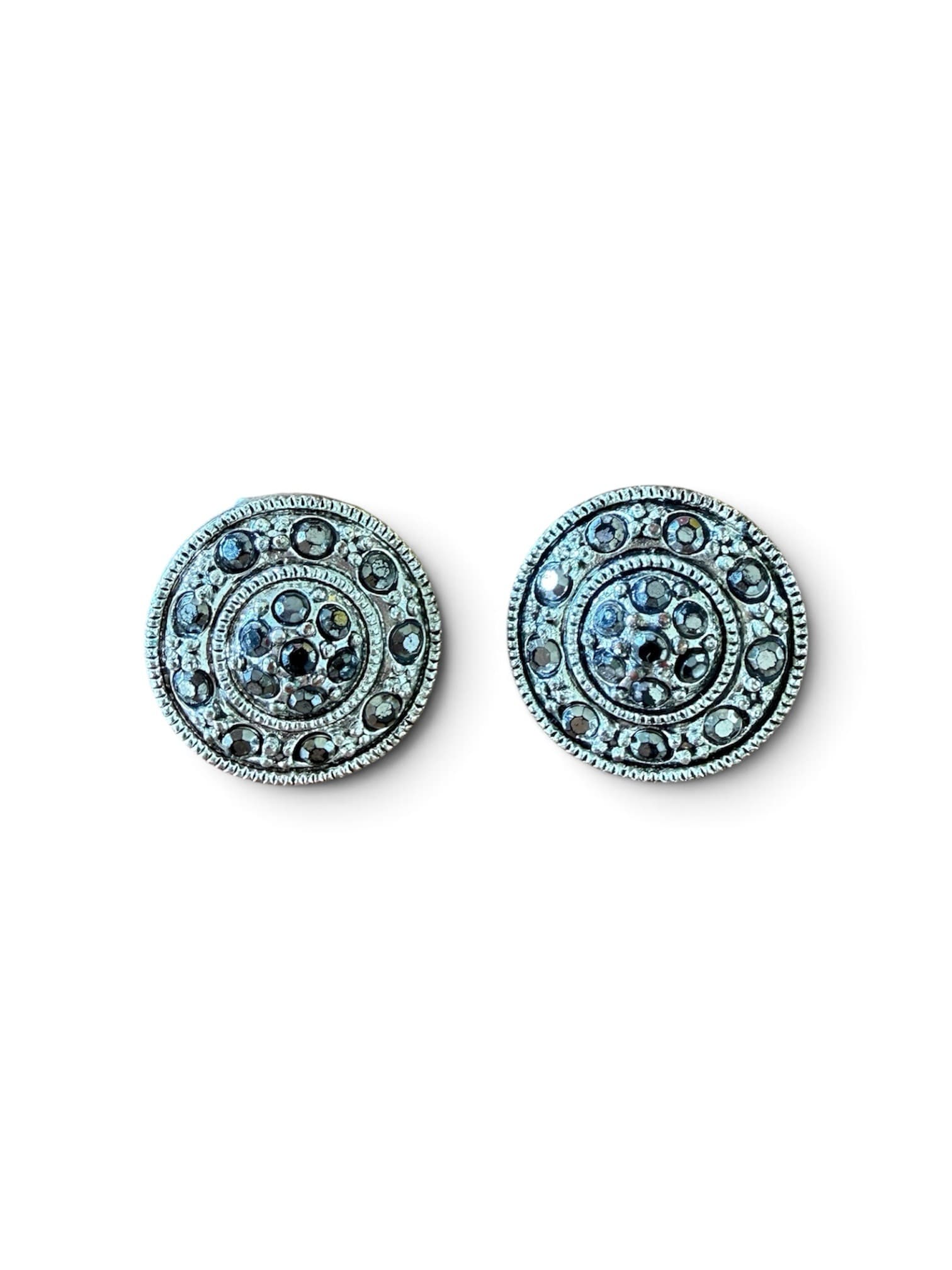
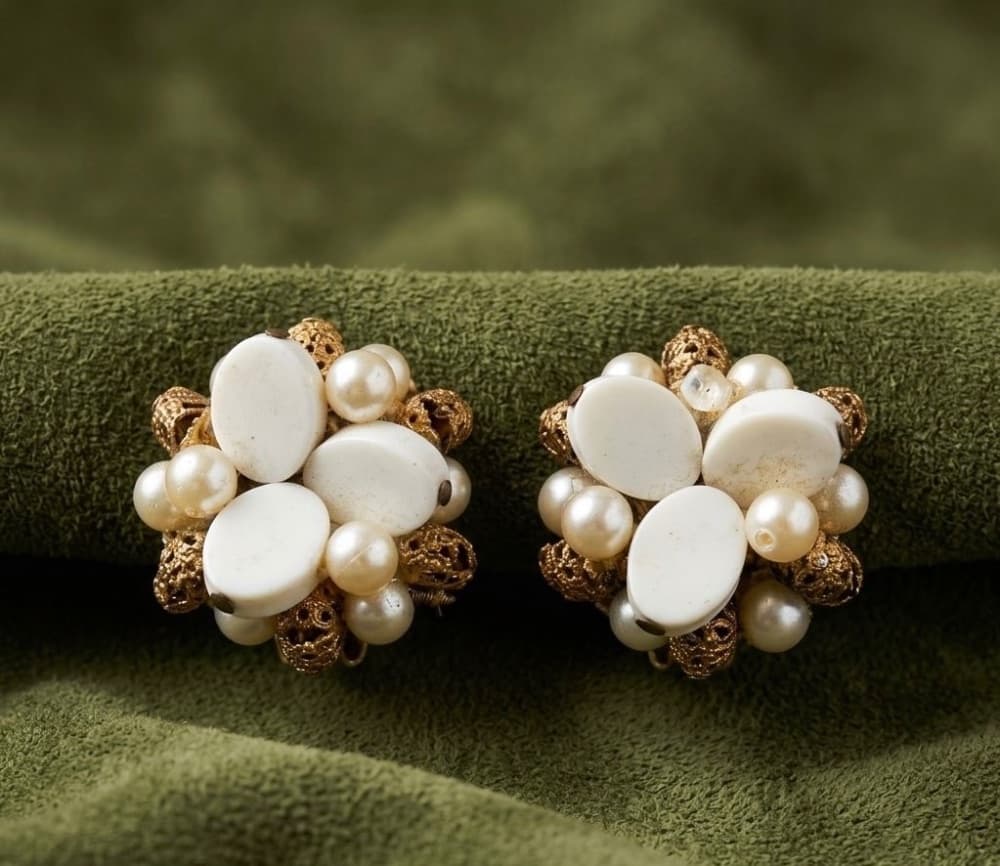
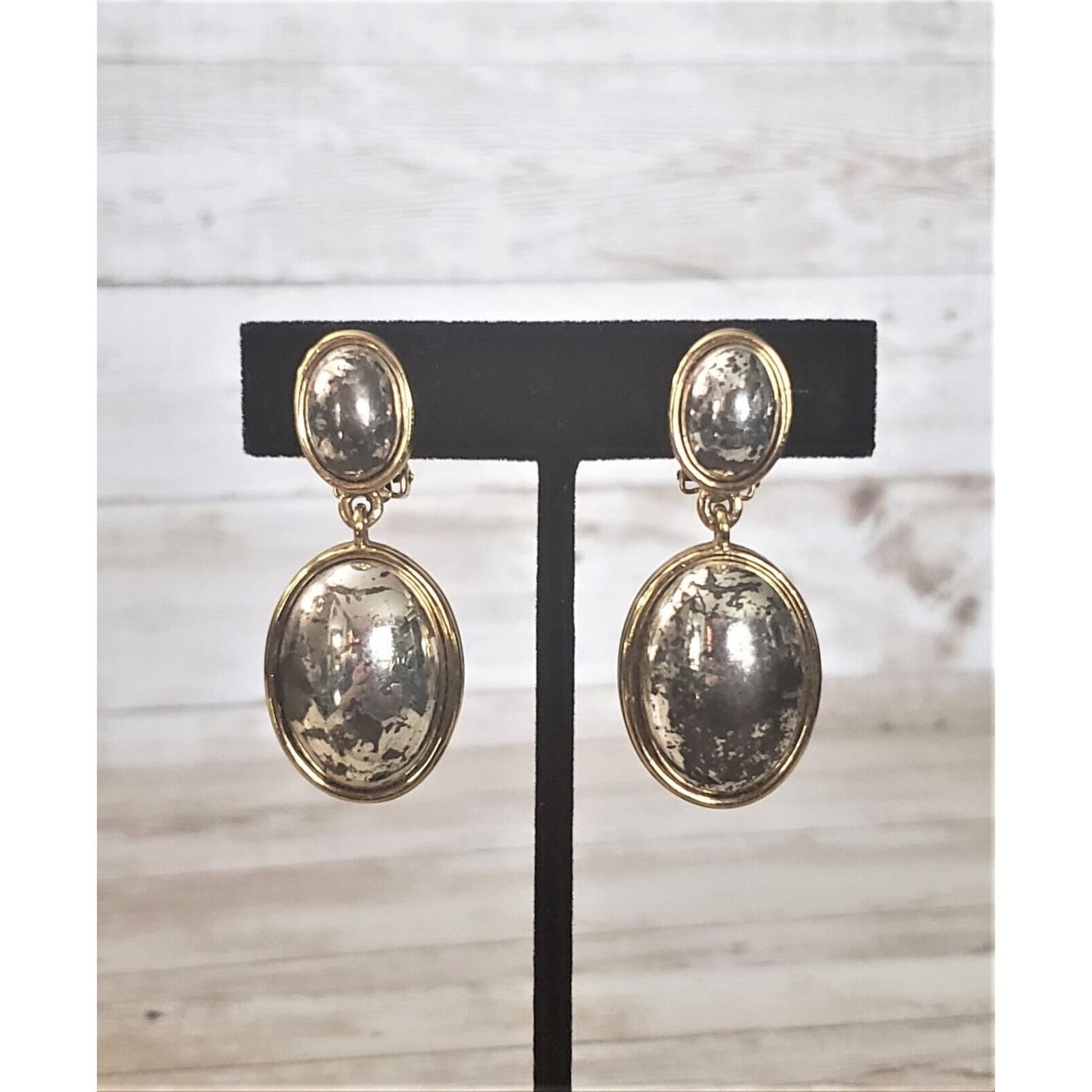
Can you convert clip-on earrings to pierced?
Yes. A jeweler removes the clip and attaches a post, and from the front the earring looks exactly the same. There are also clip-to-pierced converters that hold the earring without changing it at all, which is the option we’d try first.
Before you commit, ask how the post will go on. Most vintage clip-ons are plated base metal, and soldering heat can discolor or damage the finish. Collectors generally prefer original backs, so converting a signed or collectible pair can make it harder to sell later. If you do it, ask for the original clips back and keep them with the earrings.
Going the other way works too. Pierced earrings can be fitted with clip backs, or worn with clip-on converters, which is handy if you love a pair but your piercings have closed.
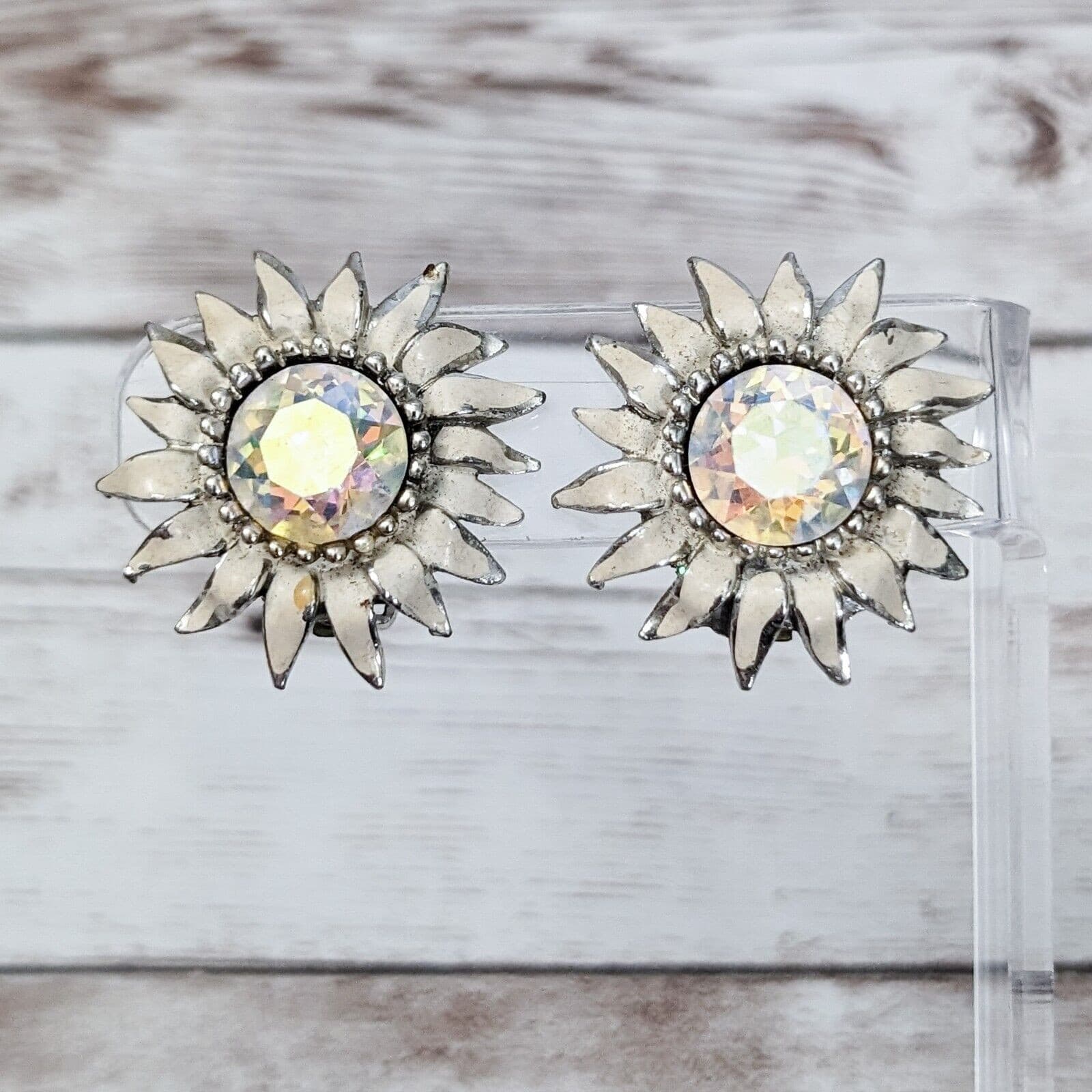
How do you clean vintage clip-on earrings?
Never soak them. Most vintage rhinestones are glued in and backed with foil, and water that gets behind a stone dulls it for good. Start with a soft dry brush or cloth. For grime, use a cotton swab that’s barely damp with a drop of dish soap, work on the surface only, and let everything dry completely before you put them away. If a stone falls out, reset it with jeweler’s glue rather than superglue, which can eat the foil backing. Our jewelry cleaning guide covers the rest of the jewelry box.
Buying or selling clip-ons
Selling a pair? Photograph the front, the back, and any mark, and say whether the clips are original and how firmly they close. It’s the first thing buyers ask. Shopping? We have a lot of them: browse clip-on earrings on StillSparkly and you’ll see what we mean. And if you’ve found a trick for making clip-ons comfortable that we didn’t mention, tell us. We’re always collecting them.
Related guides
How to Date Vintage Jewelry by Its Clasps and Findings
A clasp can’t give you a decade, but if it’s original, it can tell you the earliest a piece could have been made. Start with the catch, the clasp, and the earring backs.
Vintage Costume Jewelry Marks: A Guide to Designer Signatures
A name on the back of a brooch tells you who made it. How that name is written, and what’s stamped next to it, often tells you when.
Is My Vintage Costume Jewelry Worth Anything?
Usually a little, sometimes a lot. The value is in the maker, the design, the construction, and the condition, and you can check all four at the kitchen table.
Find your next pair
Clip-ons are one of the biggest categories on StillSparkly. Browse them, or list a pair of your own with a photo of the back.