Guide ·
How to Clean Jewelry at Home Without Ruining It
You pull out a ring you haven’t worn in a while and it’s looking a little sad (cloudy stone, gunk in the setting). The good news is that most jewelry doesn’t need a special cleaner or a trip to the jeweler. Warm water and a drop of dish soap will safely clean almost everything in your jewelry box. The part people get wrong is the handful of pieces that need different treatment, and the popular “hacks” that do real damage (toothpaste, we’re looking at you).
Short answer: the safest way to clean jewelry at home is a 10 to 20 minute soak in warm (not hot) water with a few drops of mild dish soap, a gentle brush with a soft toothbrush, a rinse, and a pat dry. That works for solid gold, sterling silver, and hard stones like diamonds and sapphires. Pearls, costume jewelry, and glued or strung pieces get a damp cloth instead of a soak, and toothpaste, bleach, and harsh chemicals should never touch your jewelry.
What is the safest way to clean jewelry at home?
Most jewelry cleans up safely at home with a soak in soapy water. Fill a small bowl with warm (not hot) water and add a few drops of mild dish soap. Drop the piece in, let it soak for 10 to 20 minutes, then gently work the crevices with a soft toothbrush. Rinse under clean water and pat dry with a lint-free cloth. That’s it. This is safe for solid gold, sterling silver, and hard gemstones like diamonds, rubies, and sapphires.
One catch: if a piece is anywhere near a drain, plug the sink first. The number of engagement rings lost to a hopeful rinse is genuinely tragic.
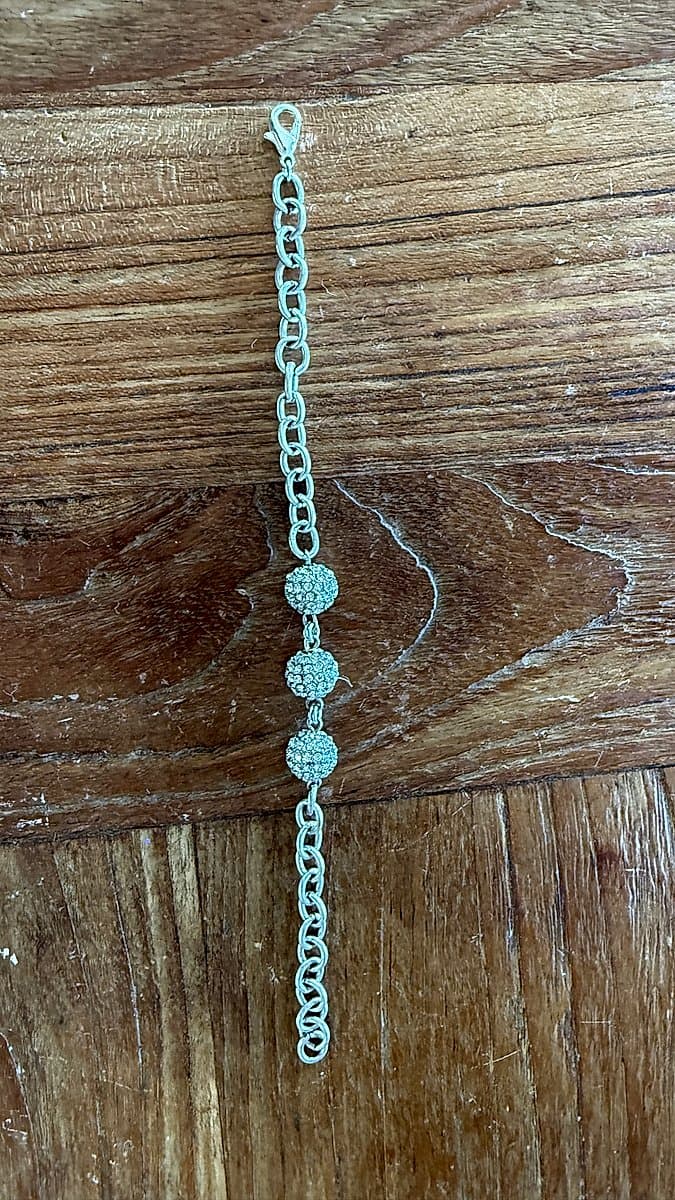
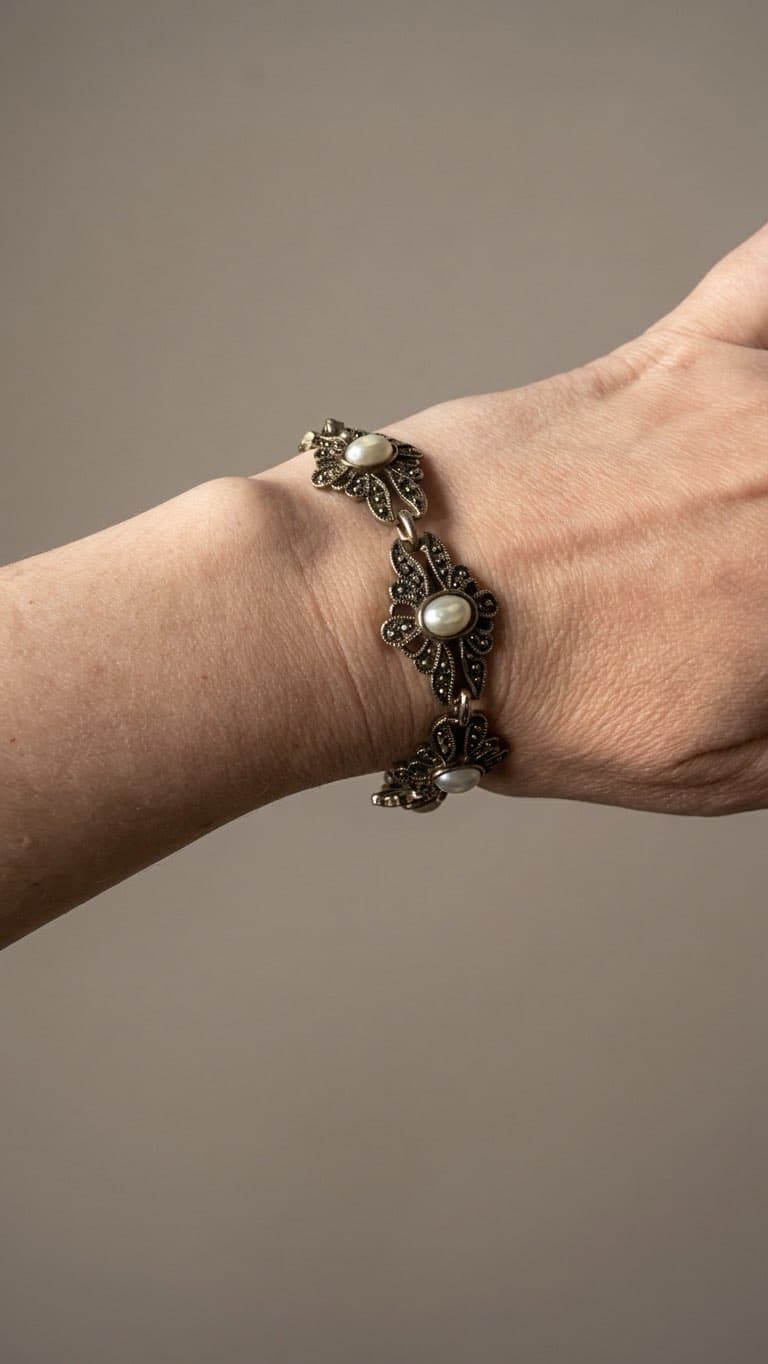
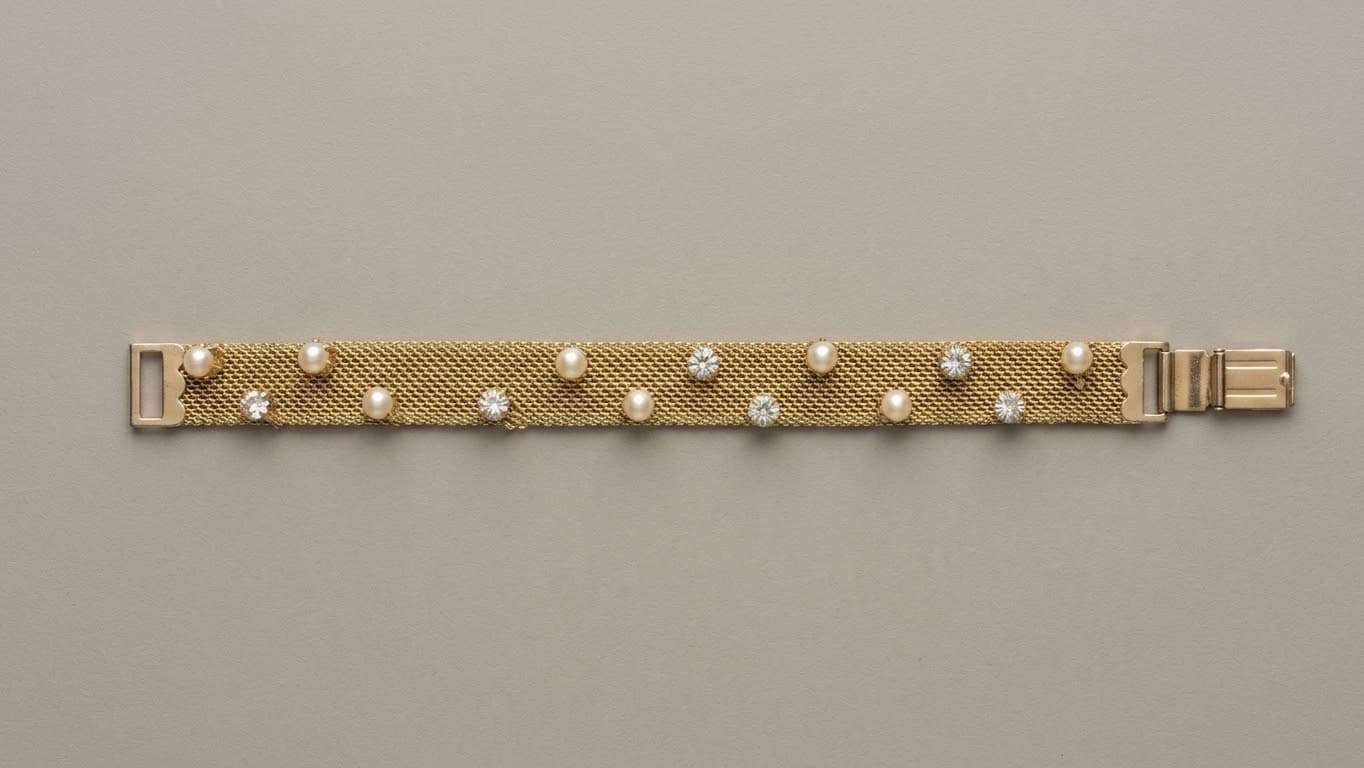
How do you clean tarnished silver jewelry?
Clean tarnished silver with a silver polishing cloth for light tarnish, or a foil, baking soda, and salt bath for the heavy stuff. Soap and water cleans silver, but it won’t lift tarnish (that dark film silver develops as it reacts with the air). For light tarnish, a silver polishing cloth does the job in a few passes. For the heavy stuff, there’s a satisfying kitchen-science version:
- Line a bowl with aluminum foil, shiny side up.
- Add hot water, a tablespoon of baking soda, and a teaspoon of salt.
- Rest the silver directly on the foil and let it sit a few minutes.
- Rinse and dry.
The tarnish transfers off the silver and onto the foil. Skip this one if your piece has gemstones, pearls, or intentional darkened detailing, because it strips that oxidized patina too (and on a lot of vintage pieces, that patina is the point). Not sure what you’re working with? The how to tell if it’s really sterling silver guide will tell you whether it’s even silver in the first place.
How do you clean gold jewelry?
Clean solid gold with the dish-soap soak, and go lighter on gold-plated and gold-filled pieces. Solid gold loves the dish-soap soak and basically can’t be hurt by it. The thing to watch is whether your “gold” is actually solid. Gold-plated and gold-filled pieces have a thin gold layer that scrubbing wears straight through, so go light: a short soak and a soft wipe, no toothbrush bristles digging in. (If you’re not sure which you’ve got, here’s how to tell if gold is real.)
How do you clean pearls, opals, and emeralds?
Pearls, opals, and emeralds need a gentler hand: a damp cloth or a brief wash in warm, soapy water, and never an ultrasonic or steam cleaner. Pearls just need a wipe with a soft, slightly damp cloth after wearing, then let them air dry. Never soak strung pearls (it weakens the silk thread) and never use chemicals or an ultrasonic cleaner on them.
Solid opal is fine with warm, soapy water, according to GIA. The catch is that a lot of opal jewelry is a doublet or triplet (a thin slice of opal glued to a backing), and soaking can loosen the glue, so if you’re not sure which you have, wipe instead of soak. Most emeralds have filled fractures, and heat, steam, and ultrasonic vibration can damage the filling, so a gentle wash in warm, soapy water is as far as you go. Turquoise, amber, and coral are soft and porous: wipe them with a damp cloth, dry them right away, and keep them away from chemicals and perfume.
How do you clean costume jewelry?
Clean costume jewelry with a barely damp cloth, never a soak. Costume pieces are usually base metal with a thin finish and glued-in stones. Water gets behind the stones, dissolves old glue, and dulls the plating. Wipe, dry them right away, and store them somewhere dry. (Curious what’s costume and what’s the real deal? That’s the costume vs fine jewelry guide.)
What should you never use to clean jewelry?
Never clean jewelry with toothpaste, bleach, or harsh chemicals. Toothpaste is the one people reach for most, and it’s abrasive, so it scratches gold, silver, soft stones, and pearls. People swear by it and people are wrong. Bleach and harsh chemicals are just as bad: they pit and discolor metal, especially anything with gold alloy or plating.
Ultrasonic cleaners are trickier, because they’re great for solid gold and diamonds and terrible for pearls, emeralds, opals, and anything with loose or glued stones. And watch the water temperature on glued or strung pieces, since heat loosens adhesive and weakens thread. Warm, never hot.
Should you clean jewelry before you sell it?
Yes, give jewelry a gentle clean before you sell it. A clean piece photographs noticeably better and reads as cared-for, which is half the sale. A short soak before the camera comes out is the cheapest upgrade you can make. Next up, how to photograph jewelry so it actually sells.
There’s something really satisfying about watching an old favorite come back to life in a bowl of soapy water. If you’re in the mood for a new one to look after, browse jewelry on StillSparkly.
Sources
Related guides
How to Tell if Your Jewelry Is Actually Sterling Silver
A lot of 'silver' jewelry on resale sites isn't sterling. Six checks to figure out what you have, from the stamp to the ice cube test.
How to Tell if Gold Is Real: 7 At-Home Tests
A lot of “gold” in jewelry drawers is plated, filled, or just gold-colored. Seven at-home checks to figure out which one you have.
How to Photograph Jewelry to Actually Sell It
Jewelry is hard to photograph, and the photos decide whether it sells. A phone, a window, and a sheet of white paper are enough to get it right.
Cleaned up and ready to sell?
A clean piece sells faster and photographs better. List yours in a few taps, or see what other sellers have listed.