Guide ·
The Case for a Pre-Owned Wedding Ring
Say you buy a diamond engagement ring for $6,000 and walk it straight to a buyer the next week. The offers you get will likely be a fraction of what you paid, even though the diamond is exactly the same as it was at the counter. The markup disappeared the moment the ring left the store, and nobody at the counter mentions that part.
That gap is the whole case for buying a wedding or engagement ring pre-owned. Somebody else already paid the markup, and you get to buy the same diamond and the same gold for something much closer to what they’re actually worth. The usual hesitation is about luck, so let’s start there.
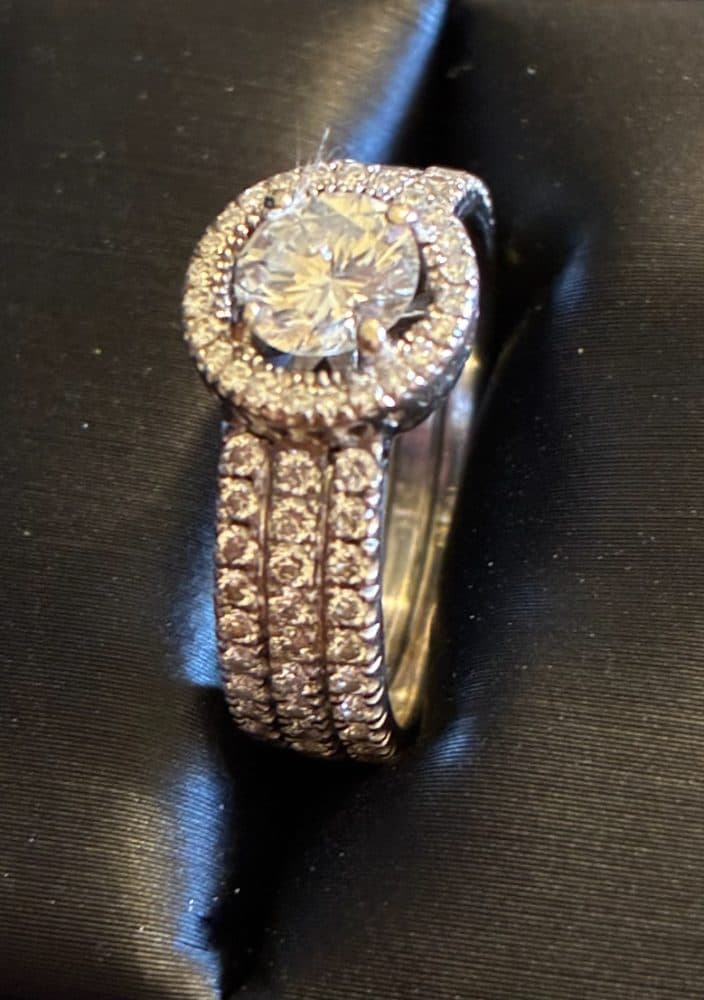
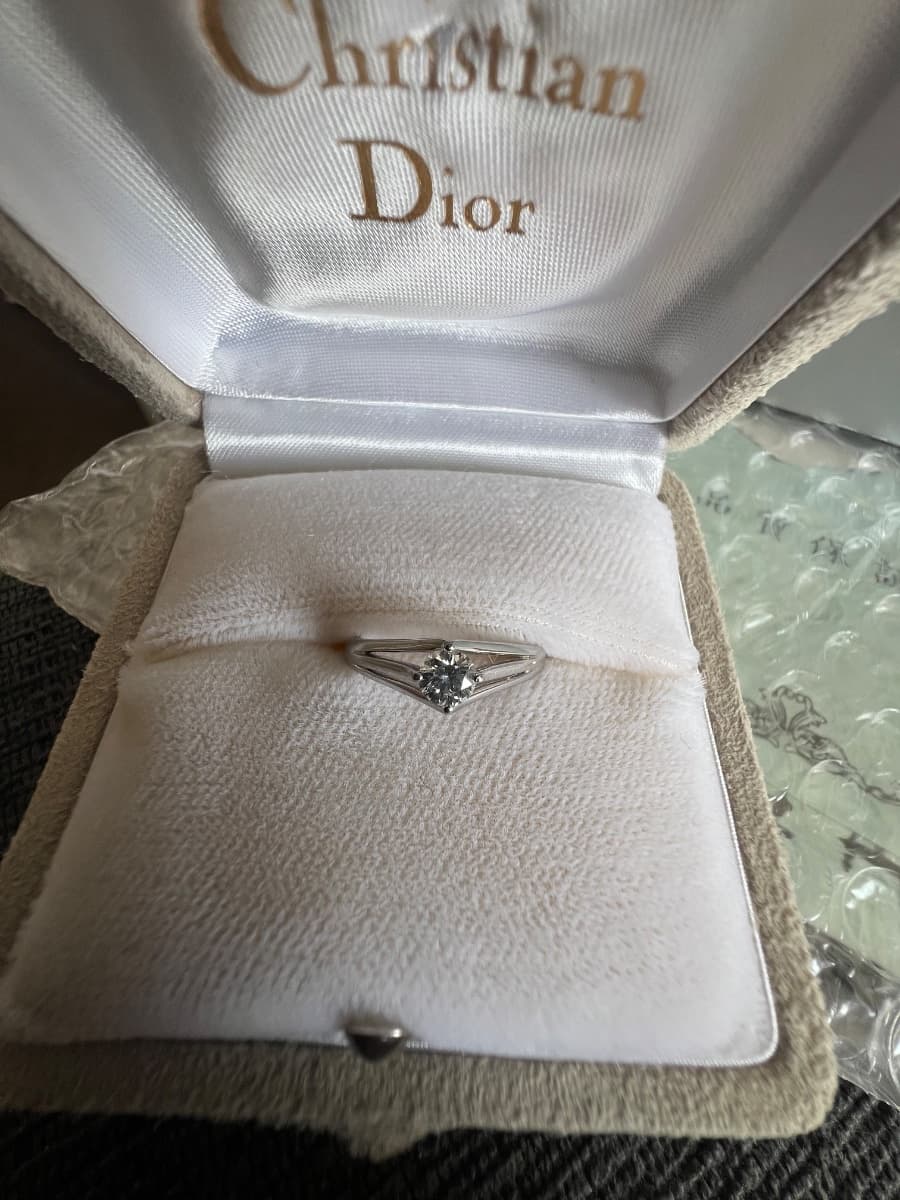
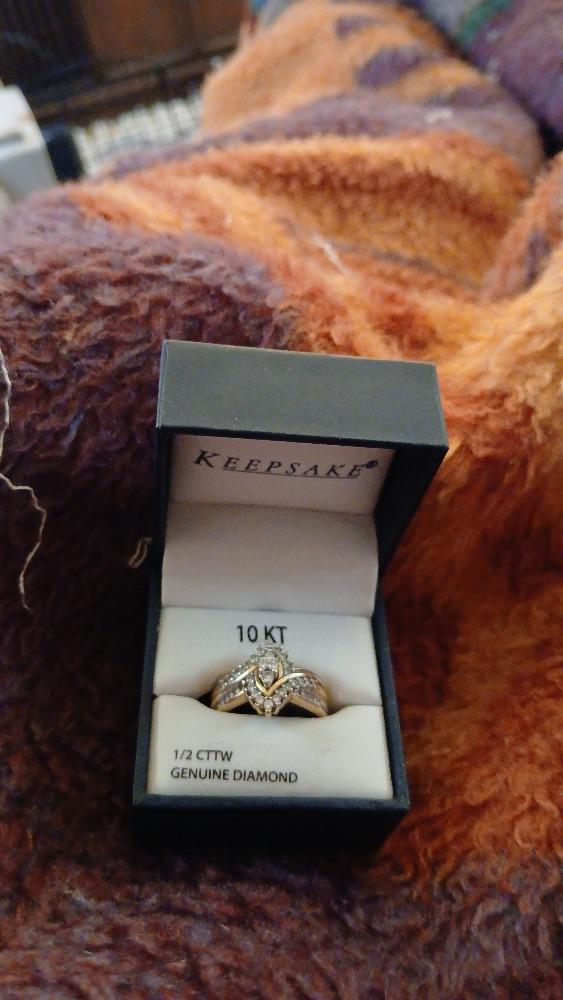
Is it bad luck to buy a pre-owned engagement ring?
No, a pre-owned engagement ring isn’t bad luck. There’s no widely held wedding tradition that says so, and handing a ring down from a grandmother to a granddaughter is about as traditional as a wedding gets (and nobody calls that ring used, they call it an heirloom).
What usually worries people is the last owner. What if the ring is from a divorce? Maybe it is. It might also be from a 50-year marriage, an estate, or someone who upgraded on an anniversary, and the ring can’t tell you which. A natural diamond spent a very long time underground before anyone wore it, so a few years on somebody else’s hand is a pretty small part of its story. If it would make you feel better, have a jeweler clean and polish it, and engrave your own date inside the band.
Why is a pre-owned diamond ring so much cheaper than new?
A pre-owned diamond ring is cheaper because the retail markup doesn’t survive resale. People selling a used engagement ring are often offered somewhere between a fifth and half of what they paid, and the number depends a lot on the stone, the paperwork, and who’s buying. Jewelers buying a ring back need room for their own margin, so they pay closer to wholesale.
A ring listed by its owner on a marketplace usually lands somewhere between that buy-back offer and the new retail price. The seller gets more than a jeweler would have paid, and you pay well under retail for the same diamond in the same setting. In a lot of cases that means a bigger stone or a platinum band for the budget you walked in with.
Do pre-owned diamonds hold their value?
A natural diamond bought pre-owned holds its value better than one bought new, because the steepest drop already happened to the first owner. If you ever sell it, you lose much less than they did. That still doesn’t make a ring an investment. Diamond prices move, and you should buy a ring because you want to wear it.
Lab-grown diamonds are a different story. Their prices have fallen steeply as more of them get made (De Beers’ own lab-grown brand, Lightbox, cut its prices sharply and then announced it would shut down), so a lab-grown ring resells for a small share of what it cost new. A pre-owned lab-grown ring can be a lovely, inexpensive choice. Just don’t expect to get much back later, and check whether the listing says the diamond is natural or lab-created. If it doesn’t say, ask.
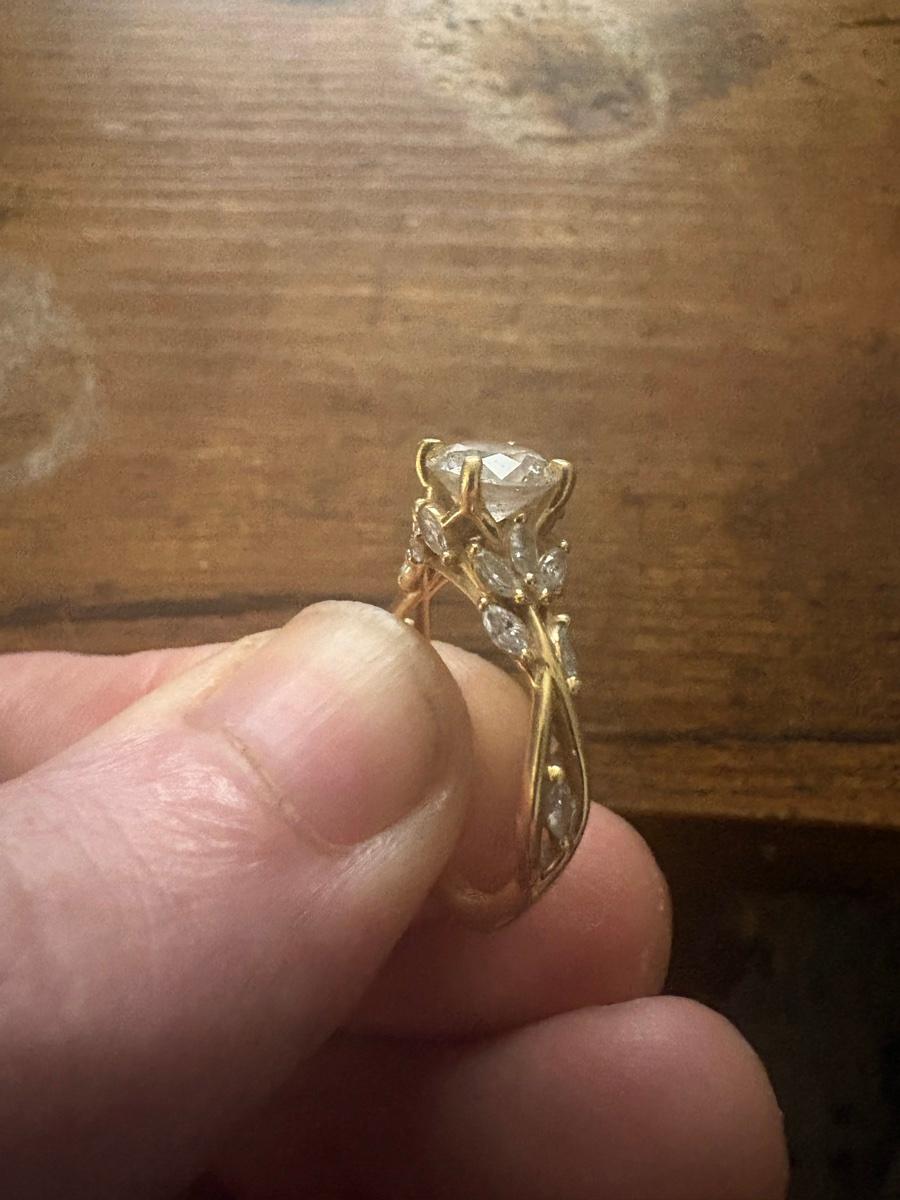
How do you check a pre-owned diamond ring before you buy it?
Start by asking whether the diamond has a grading report, and if it does, look the report number up on the lab’s own website. GIA has a free tool called Report Check that tells you whether the report is in its database and what it says about the stone. Many graded diamonds also have the report number laser-inscribed on the girdle (the thin edge around the widest part), small enough that you need a 10x loupe to read it.
A matching report number is a good sign, and it isn’t proof on its own. GIA has warned about lab-grown and treated stones carrying fake inscriptions copied from real reports, so once the ring arrives, have a jeweler confirm that the stone in your hand is the one on the paper. Check the metal too. Gold and platinum rings are usually stamped inside the band (14K, 585, 18K, 750, PT950), and our guide to reading jewelry hallmarks explains what each stamp means. In the photos, look at the prongs. Worn or bent prongs are fixable, but you want to know about them before the ring is on your finger.
StillSparkly doesn’t test or authenticate rings, so that check is between you and your jeweler, and buyer protection is set up to leave time for it. On orders of $1,000 or more you have 7 days from delivery to open a case if the ring is significantly not as described (3 days on smaller orders), which leaves room for a jeweler appointment, and we take a look at those orders before the seller ships. The seller isn’t paid until that window closes. The details are on our buyer protection page.
Can you resize a pre-owned wedding ring?
Most pre-owned wedding rings can be resized. A jeweler can usually take a plain gold or platinum ring up or down a size or so by adding or removing a little metal at the back of the band. Eternity bands with stones all the way around, some tension settings, and bands with a pattern that runs the whole way around are much harder, and sometimes impossible.
So check the size in the listing before you fall in love. If you don’t know your size, the ring size guide walks you through measuring at home, and a size or two of wiggle room is fine on a simple band. Budget for the resize when you compare prices, since a pre-owned ring plus a jeweler visit is usually still well under new.
What about a pre-owned wedding band?
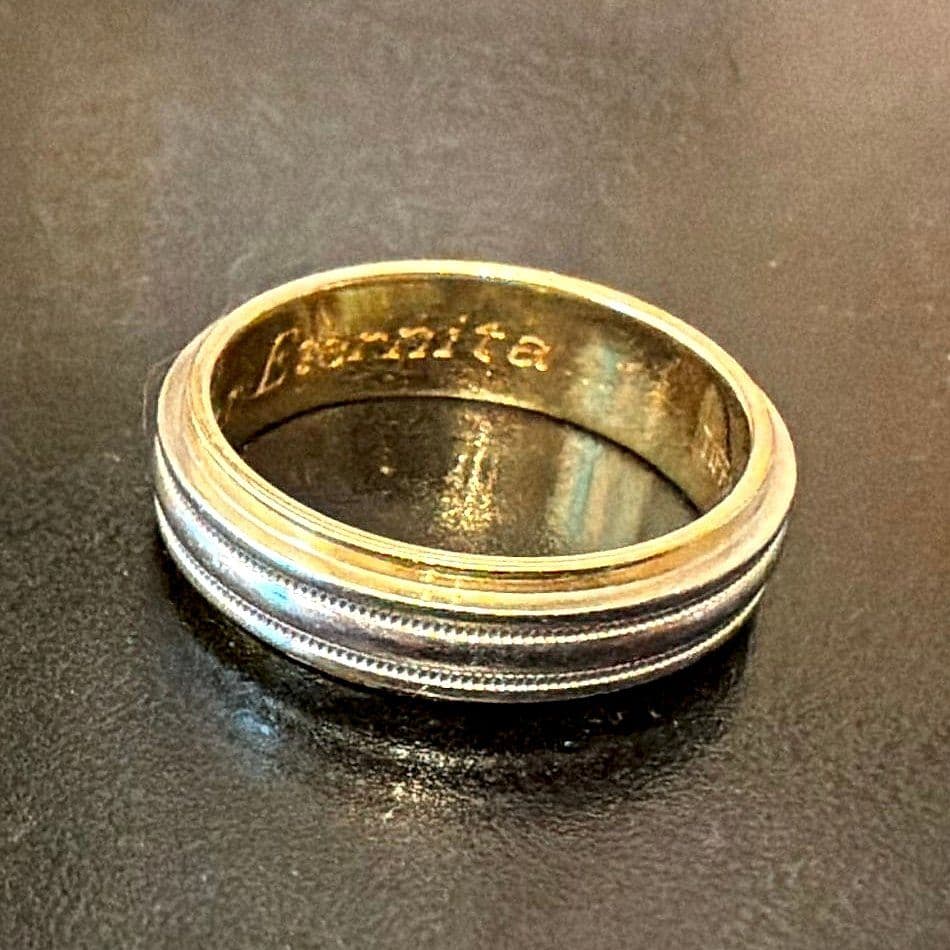
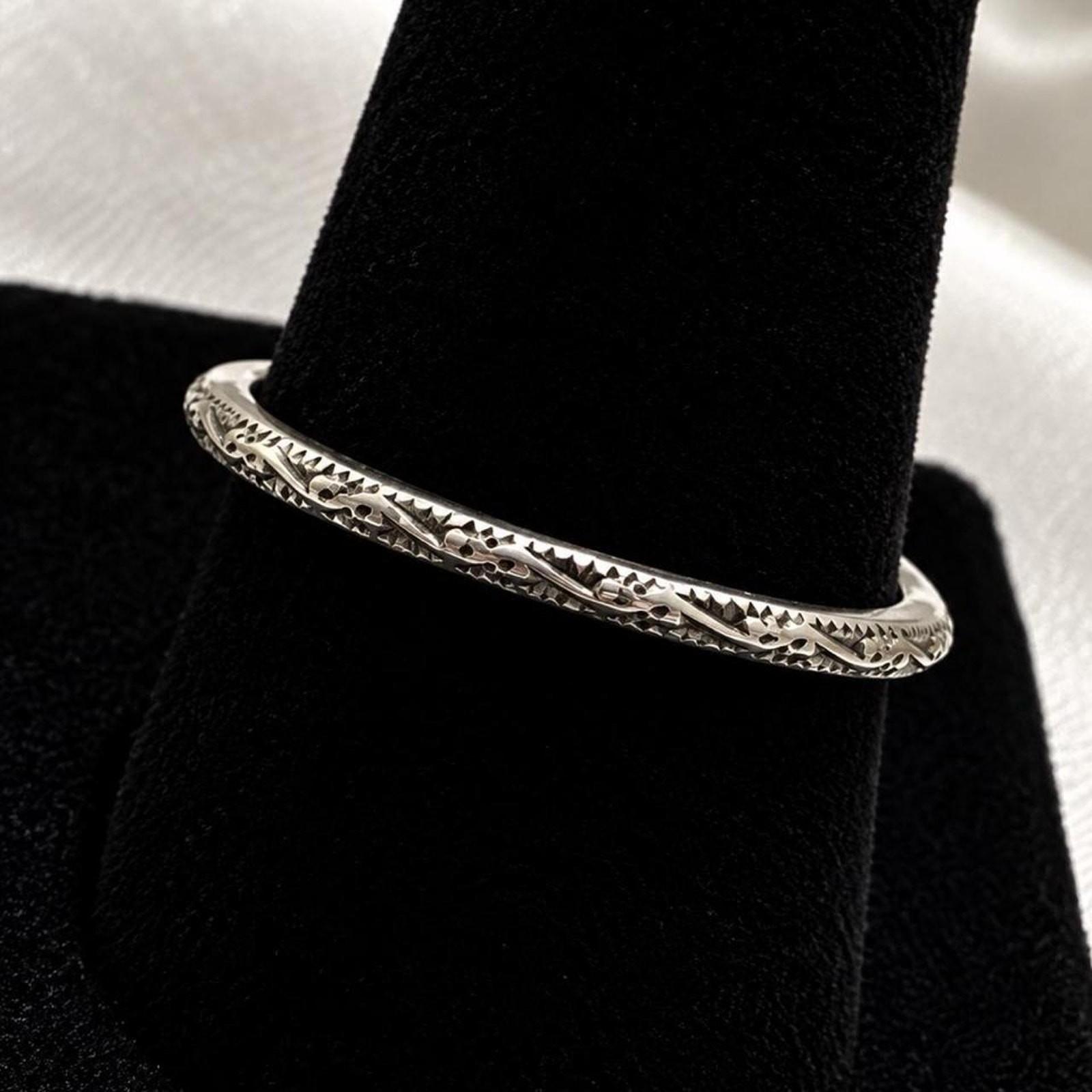
A plain wedding band is the easiest ring there is to buy pre-owned. There’s no diamond to grade, the metal is stamped inside, and a gold or platinum band in good shape looks the same as a new one after a polish. For something less traditional, vintage engraved silver bands and handmade bands from small makers both make lovely wedding rings at a fraction of the price of a designer band (you can browse rings or filter for handmade).
The ring you’ll treasure most in thirty years is the one that’s been on your hand for thirty years, and by then it won’t matter one bit who bought it first.
Sources
- Fox Business: Act surprised, your wedding ring is a terrible investment
- Diamonds.pro: diamond resale value
- National Jeweler: Lightbox cuts lab-grown diamond prices by 25 to 40 percent
- National Jeweler: Lightbox to go dark by summer, De Beers says
- GIA: Report Check
- GIA: counterfeit GIA inscriptions and report verification
- StillSparkly: buyer protection
Related guides
Ring Size Guide: How to Measure Your Ring Size at Home
You can find your ring size at home in two minutes with a strip of paper. Two methods, a US size chart, and what to watch for when buying secondhand.
How to Tell if Gold Is Real: 7 At-Home Tests
A lot of “gold” jewelry is plated, filled, or just gold-colored. Seven at-home checks to figure out which one you have.
Why Buy Pre-Owned Jewelry? A Few Good Reasons
Secondhand jewelry is usually better made than new, costs a fraction of retail, and turns up pieces nobody makes anymore.
Ready to shop?
Real photos, real sellers, condition spelled out. Flat $6.50 shipping on most orders.