Guide ·
Why Buy Pre-Owned Jewelry? A Few Good Reasons
“Pre-owned” still sounds like a downgrade to a lot of people. Like you’re settling for the version with a scratch on it because the real thing was out of budget. With jewelry, it’s almost the opposite. The secondhand piece is very often the better piece, and you’re paying less for it.
1. Is pre-owned jewelry better made?
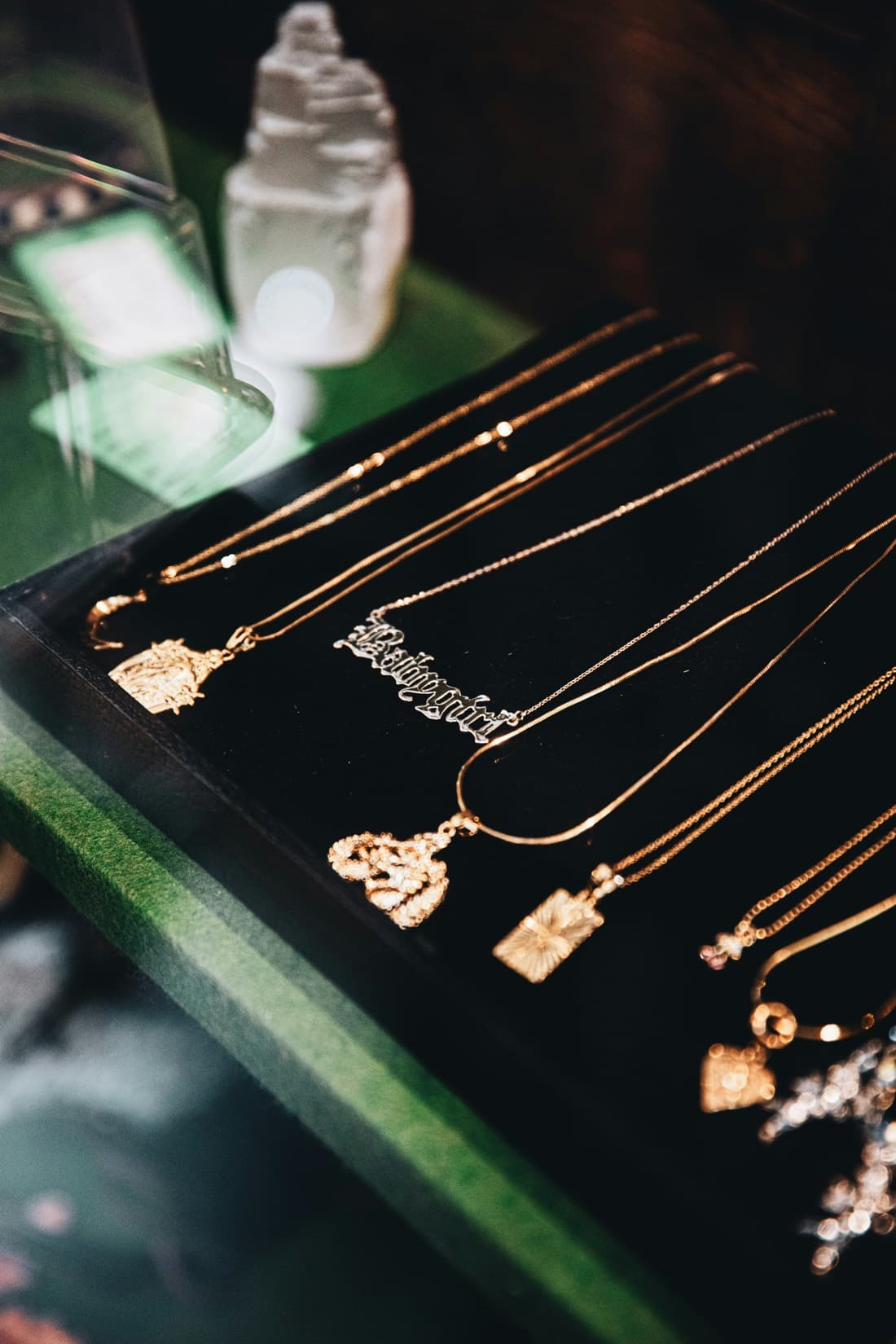
A lot of pre-owned jewelry is better made than what’s sold new, with more solid metal, heavier plating, and stones set in prongs instead of glue. Pick up a lot of what gets sold new today and you’ll find thin plating over base metal, hollow chains, glued-in stones, and finishes designed to look great in one photo and survive about a season of wear. Costume jewelry itself isn’t new (signed makers were mass-producing it by the 1930s), but plenty of mid-century pieces were plated heavier and set with prongs instead of glue. (If the metal jargon trips you up, here’s the plain version of gold-filled vs plated vs solid gold.)
Go back even a couple of decades and the baseline was different. More solid gold and real sterling, more hand-finishing, prong-set stones instead of glued ones, clasps that were actually built to last. A piece that has already been worn for thirty years and still looks good has told you something a brand-new listing can’t: it held up.
2. Is pre-owned jewelry cheaper than new?
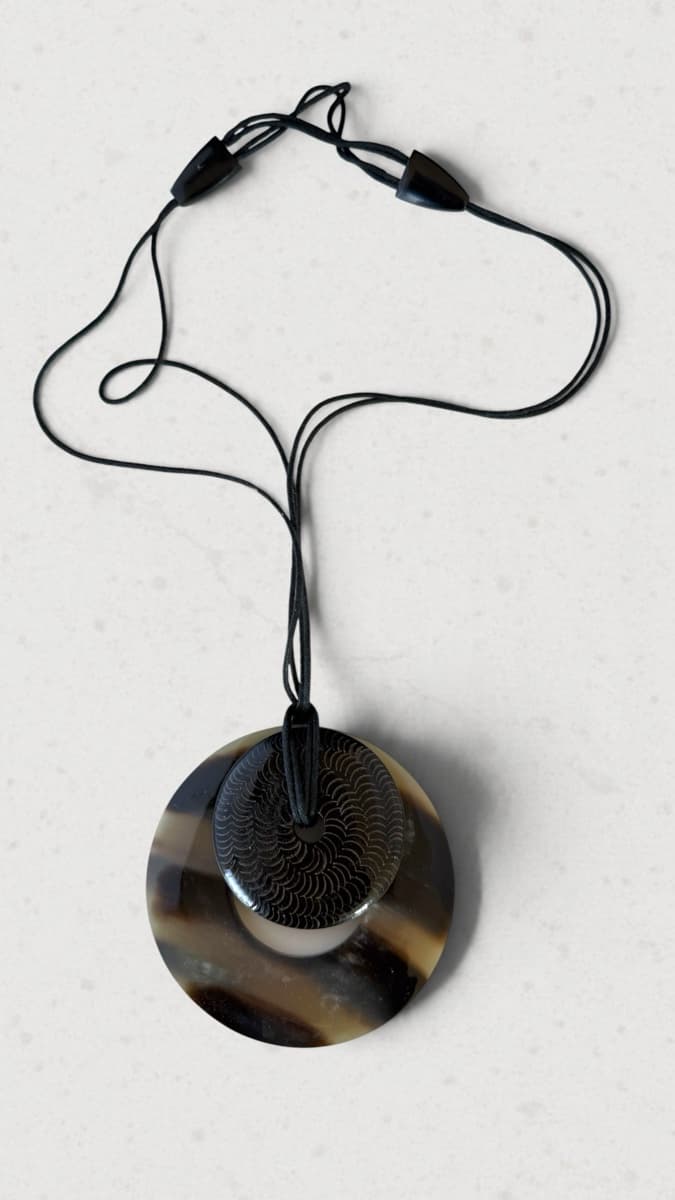
Yes, pre-owned jewelry usually costs a fraction of its original retail price. Like a car, jewelry loses a big chunk of its value the second it leaves the store. New retail prices carry a huge markup (the brand, the marketing, the markup on the markup), and almost none of that comes back when the piece is resold. So the original owner ate the premium, and you get the actual object for a fraction of what it cost new.
The thing itself didn’t get worse. A solid gold chain is solid gold whether it was bought last week or in 1995 (and if you ever want to check a piece yourself, here are a few at-home ways to tell if gold is real). You’re just not paying the new-in-box tax on it anymore. For the same money you’d spend on plated brass at the mall, you can often buy something real secondhand.
3. Can you find jewelry secondhand that isn’t made anymore?
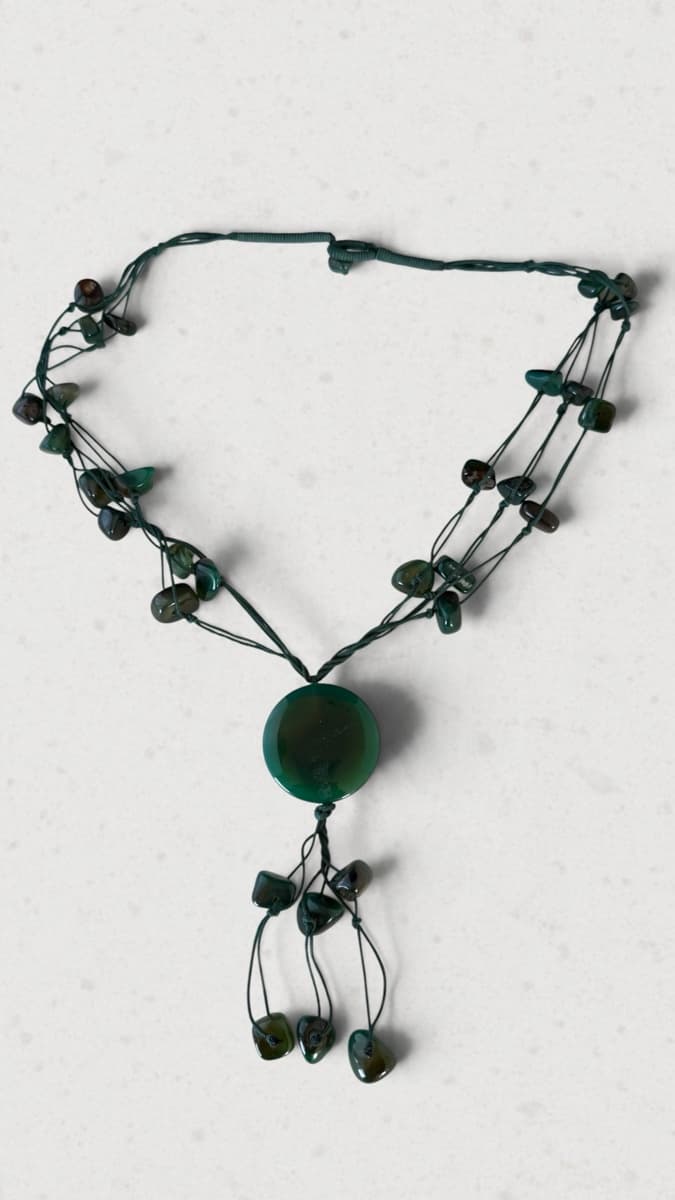
Yes, secondhand is the only place to find most vintage and discontinued jewelry. New jewelry is a snapshot of whatever’s trending right now, and everyone’s selling roughly the same twelve things. Pre-owned is the entire back catalog of the last hundred years: the Art Deco ring, the chunky 80s gold, the weird brooch your favorite aunt would have loved, the discontinued piece you’ve been hunting for since the brand stopped making it.
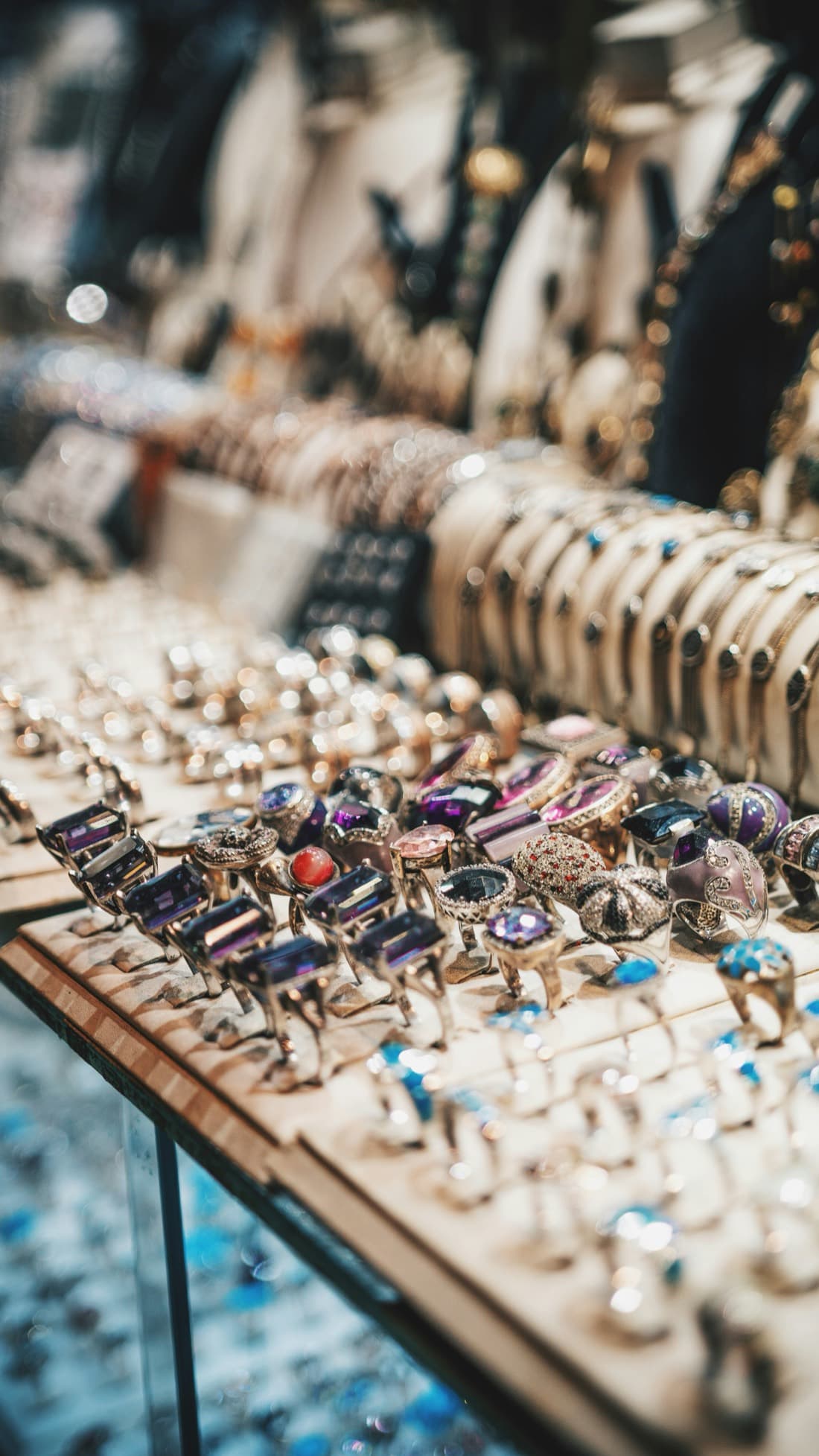
Buying secondhand is the only way to wear a lot of this stuff, since you can’t order a genuine vintage piece new. Part of the fun is that it’s the only one in the room, and probably the only one for sale. (And don’t write off the “costume” pieces. Some of the most collectible vintage on the resale market is technically costume.)
4. Is it safe to buy pre-owned jewelry online?
Buying pre-owned jewelry online is safe when you buy from a named seller with a track record and the listing states the metal and stone. When you buy pre-owned from an actual marketplace, you’re buying from the person who owned the piece instead of a warehouse with 40,000 SKUs of mystery metal. That person can usually tell you what it’s made of, where it came from, and why they’re parting with it. They’ve got a profile, a track record, and a reputation they don’t want to torch over one bad sale.
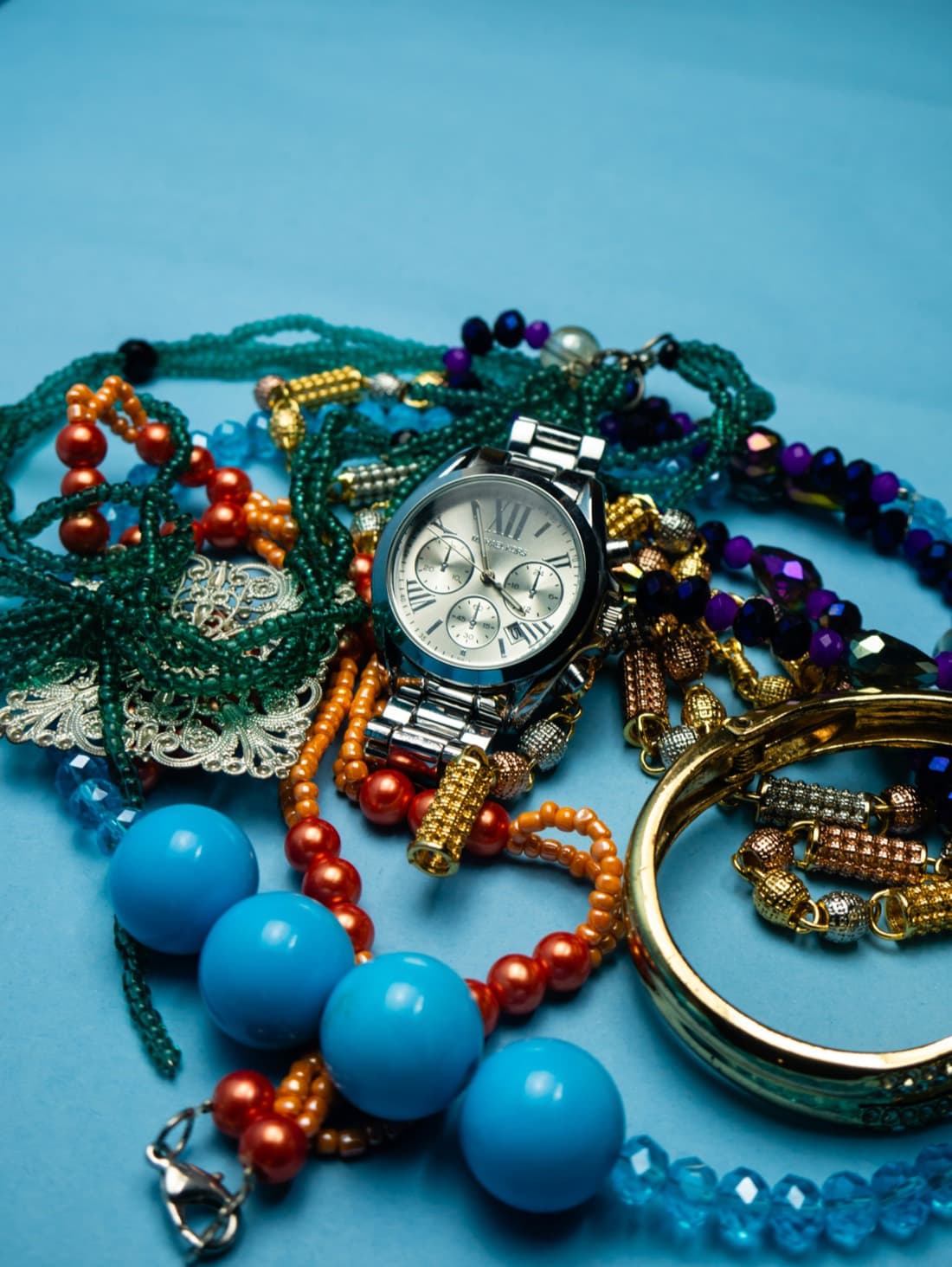
That doesn’t mean you turn your brain off. It still pays to check the metal, the stone, and the photos before you buy. Still, a named seller who has to stand behind the listing is a lot safer than a faceless storefront that could vanish by morning. On StillSparkly, sellers describe their own pieces and every order is covered by buyer protection, so if something shows up not as described, you’re not on your own.
5. Is pre-owned jewelry better for the environment?
Yes, buying pre-owned is about the lowest-impact way to get jewelry. A piece that already exists didn’t need anything mined, refined, or shipped across an ocean to land on you, because the whole environmental cost was paid years ago (more on why the most sustainable piece is the one that already exists). Most people come for the better stuff at the better price, though, and the planet bit is a nice bonus.
So is pre-owned jewelry worth it?
For most people, yes. Pre-owned jewelry is often better made than what’s sold new, it costs a fraction of retail, and it’s the only place to find the pieces nobody makes anymore. The catch used to be that secondhand jewelry was a pain to shop for, scattered across the internet with no real way to filter or trust it, and that’s the part we’re trying to fix.
If that sounds good, see what’s listed right now. And if you’ve got something gorgeous you know you’ll never wear again, pass it on to someone who will (worth checking what jewelry actually sells on resale platforms before you list it).
Common questions about buying pre-owned jewelry
Is pre-owned jewelry worth buying? Yes. Pre-owned and vintage jewelry is often better made than new mass-market pieces (more solid metal, real hand-finishing, prong-set stones instead of glued ones) and it costs a fraction of retail, because the original owner already absorbed the new-in-box markup. You also get vintage and discontinued pieces you simply can’t buy new.
Is secondhand jewelry good quality? Often it’s better than what’s sold new. A lot of jewelry made today is thin plating over base metal that wears out in a season. Older pieces were built to last, and any piece that has already survived decades looking good has proven it holds up.
Is buying used jewelry cheaper than buying new? Almost always. Jewelry takes a steep depreciation hit the moment it’s first bought, and that markup rarely comes back on resale. So the same solid-gold or sterling-silver piece costs far less secondhand than its original retail price, with no loss in the actual material.
Is it safe to buy pre-owned jewelry online? It’s safe when you buy from a named seller with a track record rather than a faceless storefront, and when the listing clearly states the metal and stone. On StillSparkly every order is covered by buyer protection, so if a piece arrives not as described, you’re covered.
Sources
- The Met: Jewelry for America (costume jewelry from the Depression on)
- FTC Jewelry Guides (16 CFR Part 23): what solid, filled, and plated mean
- StillSparkly: buyer protection
Photos via Unsplash: Marija Zaric, Logan Weaver, Linus Mimietz, and Stephen Audu.
Related guides
How to Tell if Jewelry Online Is Actually Worth Buying
Five things to check before you click buy: from whether the metal is actually named to whether there's a real person behind the listing.
What Is Costume Jewelry vs Fine Jewelry (And Why It Matters When You Buy or Sell)
The line between costume and fine jewelry sounds obvious until you try to draw it, and sterling silver and signed vintage make it blurrier than most people expect.
The Most Sustainable Jewelry Is the Jewelry That Already Exists
Every sustainable jewelry guide eventually points you back at buying something new. The lowest-impact piece is usually one that already exists.
Ready to shop?
Real photos, real sellers, condition spelled out. Flat $6.50 shipping on most orders.