Guide ·
Taxco and Mexican Silver Marks: How to Read and Date Them
Short answer: Mexican silver jewelry is dated mostly by its government marks. An eagle with a number inside points to roughly 1948 to 1980, and a letter-and-number code such as TS-24 (city letter, maker’s initial, registration number) points to about 1980 or later. A purity mark such as 925, Sterling, or 980 tells you the silver content, while “Mexico” alone only tells you where it was made, and “Alpaca” means no silver at all.
Turn over a piece of vintage Mexican silver and you’ll often find a whole little crowd of stamps: a number, a country, maybe an eagle, maybe a code that looks like a license plate. The good news is that each one means something specific, and together they can tell you a lot more than most American costume jewelry marks ever will. (Grab a loupe or your phone’s camera zoom. These marks are tiny.)
Why is so much vintage silver jewelry from Taxco?
Taxco became Mexico’s silver jewelry town largely because of William Spratling, an American architecture professor from Tulane who moved to Taxco in the late 1920s (sources say 1928 or 1929) and opened his first silver workshop there in 1931. His shop, Taller de las Delicias, trained local silversmiths who went on to open workshops of their own, including Antonio Pineda, Héctor Aguilar, and the Castillo brothers. Los Castillo was established in 1939, and its lead designer Margot van Voorhies Carr later opened her own workshop as Margot de Taxco.
By the 1940s Taxco was full of workshops selling to tourists and exporting to the US, and Spratling himself had lost control of his company by the mid-1940s. That’s why you see “Taxco” on so much silver. It’s the name of the town, and nearly every workshop there stamped it.
What does the eagle mark on Mexican silver mean?
The eagle is a government mark, introduced in 1948 for silver made for export. Inside the eagle is a number, and that number stood for either a city or a specific registered maker. Mexico City’s generic eagle was 1 and Taxco’s was 3, while individual workshops had their own numbers (Spratling’s were 13, then 30, then 63, according to Phyllis Goddard’s field guide to his silver). The system was dropped around 1979 or 1980.
So an eagle on the back is one of the most useful dating clues you’ll get: it puts a piece roughly between 1948 and 1980. Two caveats, though. Some references date the start to 1946 instead, and the stamps weren’t always used the way the government intended (they were sometimes lent from one workshop to another). Treat the number as a lead to look up, not proof of who made it.
What do letter codes like TS-24 mean?
Letter-and-number codes replaced the eagle around 1979 or 1980, and they’re still in use. The first letter is the city: T for Taxco, M for Mexico City (you’ll also see G for Guadalajara and C for Cuernavaca). The second letter is the first letter of the maker’s name, and the number is the maker’s registration number. So “TS-24” is a Taxco maker whose name starts with S, and in fact it’s the registration used by the successors of Spratling’s workshop.
What a code tells you is “about 1980 or later.” What it doesn’t tell you is the maker’s name (you need a reference book or registry for that) or an exact year. That TS-24 example is a good warning, too: a piece with TS-24 next to a copy of an old Spratling hallmark was made after 1979, not in Spratling’s lifetime.
| What you see | What it suggests |
|---|---|
| An eagle with a number inside | About 1948 to 1980 (some sources say from 1946) |
| A letter-and-number code like TS-24, no eagle | About 1980 or later |
| 980 or 940 | Higher-than-sterling silver; common on earlier Taxco pieces (Spratling used 980 in the 1930s) |
| 925, Sterling | Sterling silver; used throughout |
| Mexico or Taxco alone | Where it was made, not what it’s made of |
| Alpaca | Nickel silver, which contains no silver |
Is jewelry marked “Mexico” real silver?
Not automatically. “Mexico” is a country of origin, and Mexican rules treat that as a separate thing from the purity mark. The current standard (NOM-033) says silver jewelry sold as precious metal has to be at least 925 fine and carry a quality mark (925, Sterling, or Ag) plus a maker’s registration mark. Older pieces often say “Silver Mexico” or “Made in Mexico” with a number, and many early Taxco pieces are higher than sterling: 940, 970 (Antonio Pineda worked mostly in .970), or 980.
If you see only “Mexico” with no number, the piece may still be silver, but the mark isn’t promising it. That’s when it’s worth trying the at-home checks in our sterling silver guide.
What is Alpaca silver?
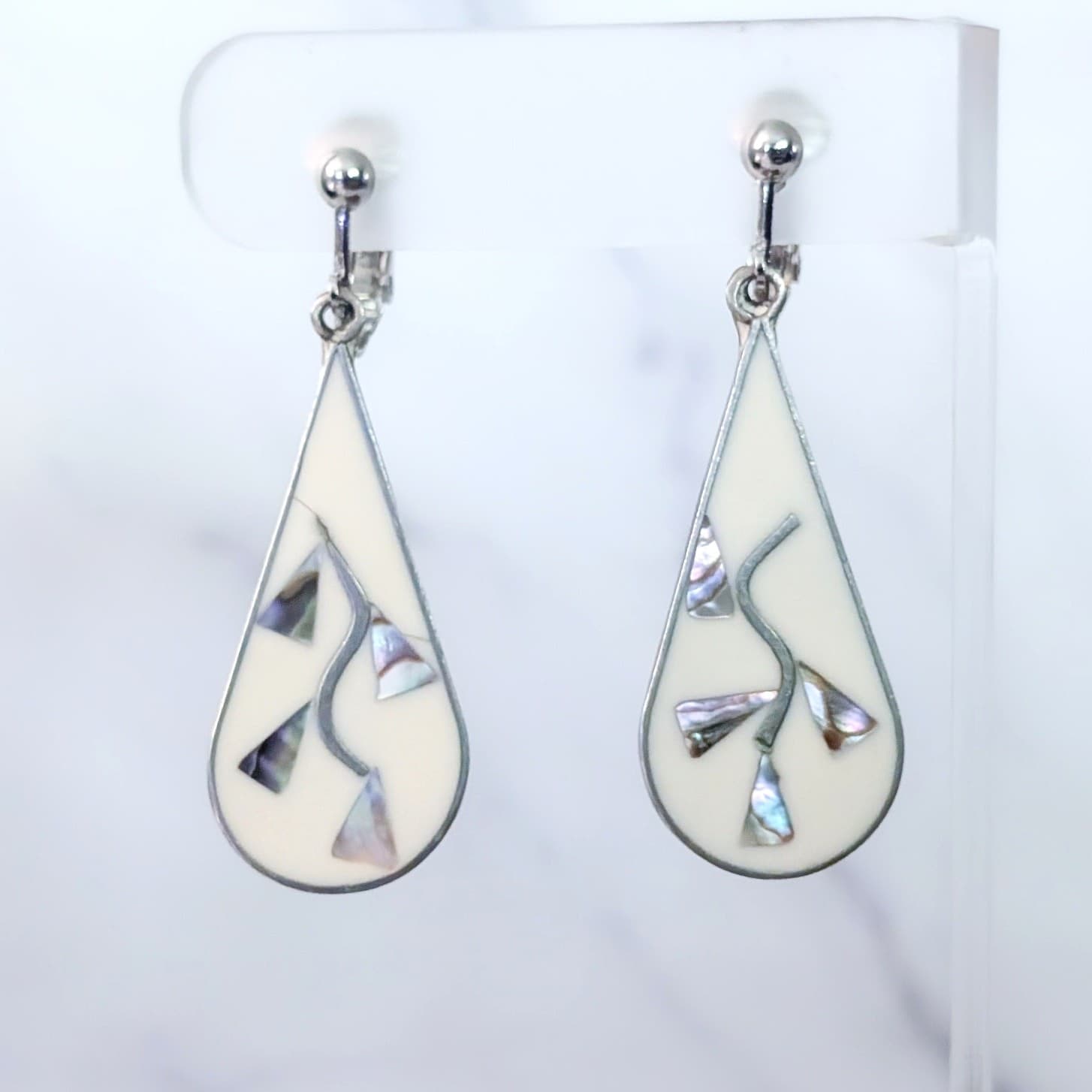
Alpaca (also spelled alpacca) is nickel silver, sometimes called German silver, and it contains no silver at all. It’s an alloy of copper, nickel, and zinc (a common mix is 60/20/20) that looks a lot like silver when it’s polished, and plenty of Mexican workshops made jewelry from it. Alpaca pieces are often marked “Alpaca” or “Alpaca Mexico.” They can be lovely and well made, especially with shell or stone inlay, but price them like base metal, not silver. Anyone with a nickel allergy should also skip them.
How can you spot a fake Spratling or other famous Taxco mark?
Be careful with big names. Goddard notes a growing number of Spratling pieces with improper hallmarks, and that even “correct” marks can be copied. The other common mistake is reading shared marks as a signature: “Taxco,” “925,” and “980” were used by nearly every workshop in town, so they don’t point to Spratling (or Pineda, or Los Castillo) without that maker’s own mark. If a piece is being sold as a famous name for a famous-name price, ask for clear photos of every mark and compare them against a good reference such as Goddard’s or the Morrill and Berk book Mexican Silver.
What is vintage Mexican silver worth?
Most unsigned or lightly marked Mexican sterling sells on its weight, design, and condition, and a heavy, well-made piece is worth more than its melt value to the right buyer. The pieces that climb are the ones with a documented maker (Spratling, Pineda, Aguilar, Los Castillo, Margot de Taxco) and strong design, and those are also the ones most worth double-checking. Our guide to pricing jewelry for resale walks through finding completed sales for comparison.
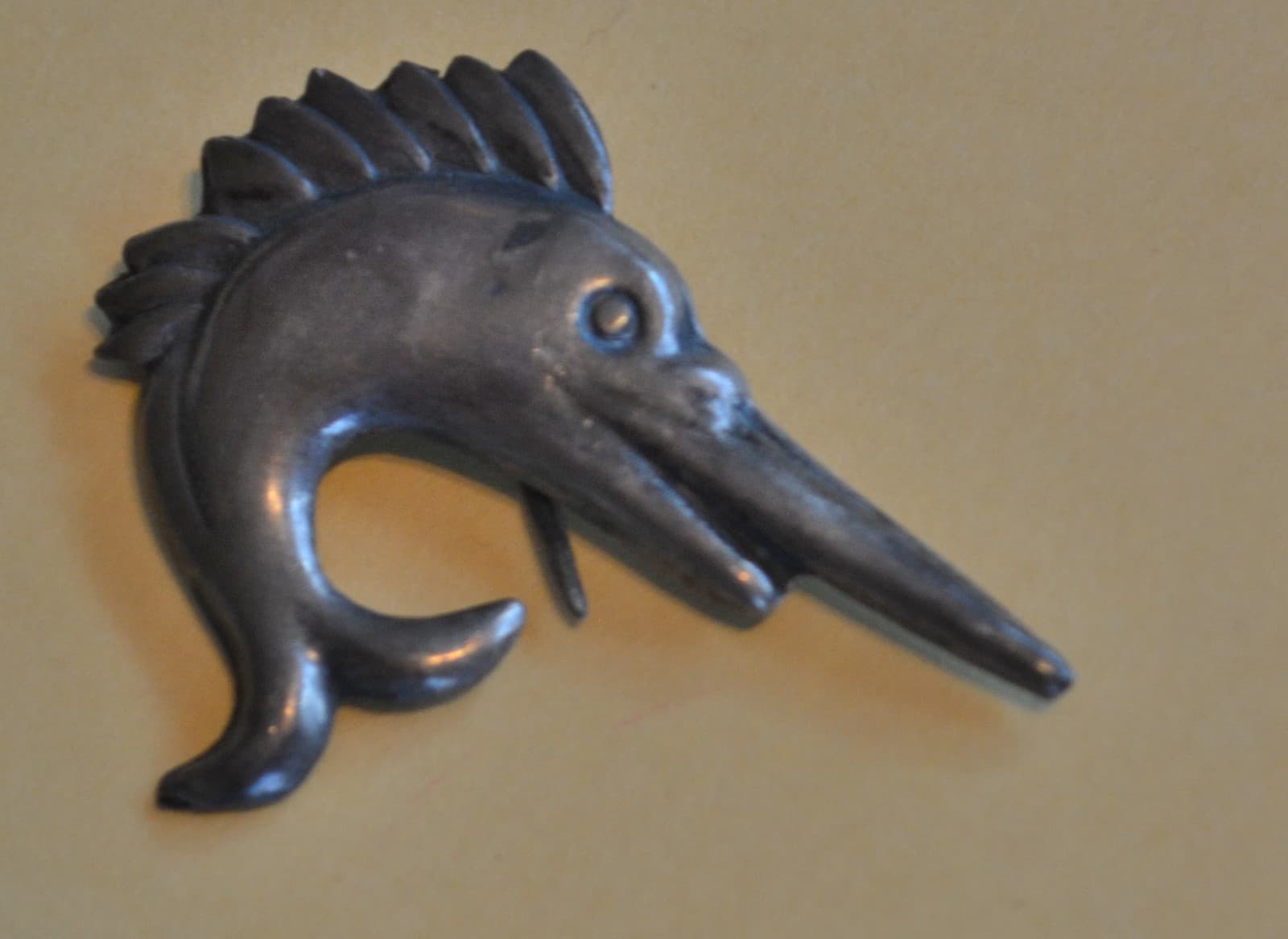
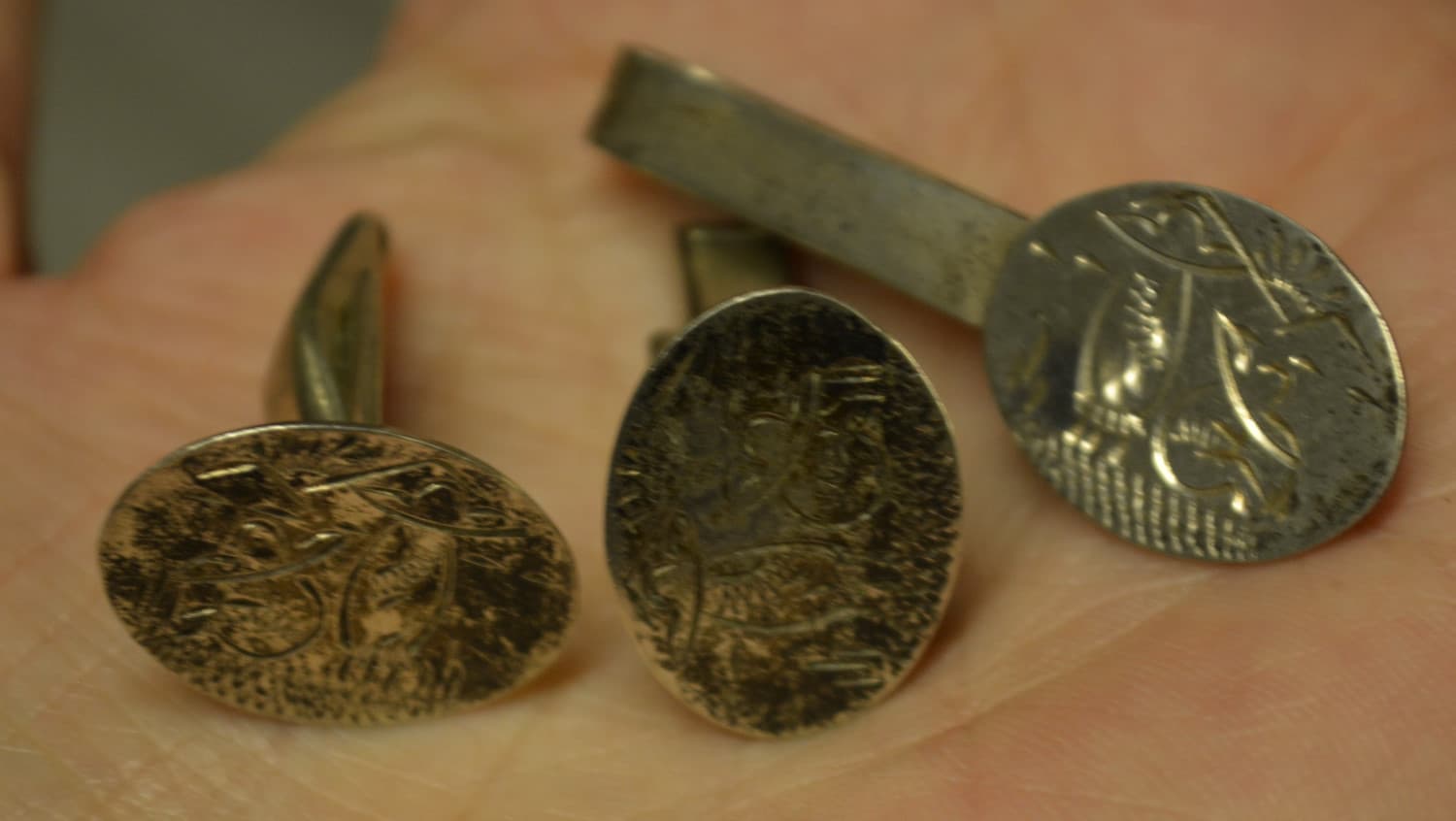
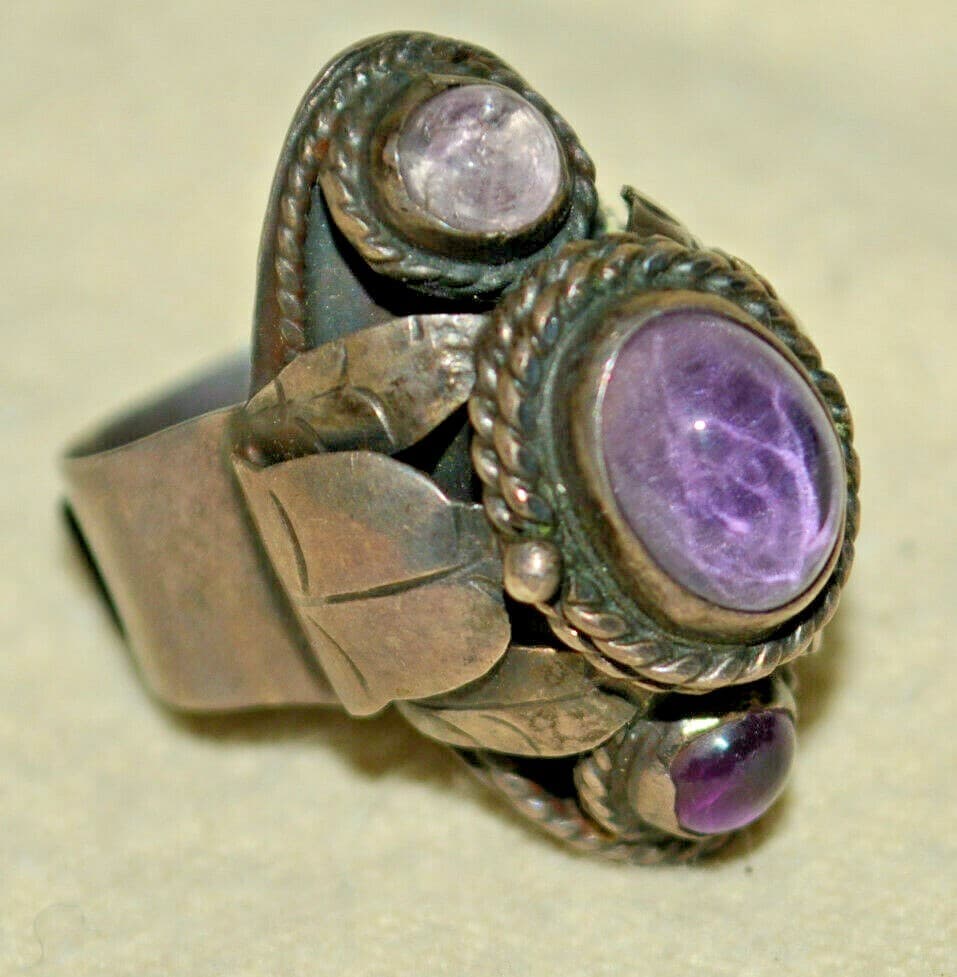
Selling? Photograph every mark in sharp focus, eagle and code included, and give the weight in grams. Buyers of Mexican silver read marks closely, and a clear photo of the back does more for a listing than any adjective.
Sources
- LACMA: William Spratling collection record (first workshop, 1931)
- LACMA: Margot de Taxco bracelet (Los Castillo, established 1939)
- 64 Parishes: William Spratling
- Phyllis Goddard, Spratling Silver: hallmarks, the eagle, and TS-24
- Secretaría de Economía: NOM-033/1-SE-2020, Mexico’s precious metal jewelry standard (PDF, Spanish)
- Silver Collection: Mexican silver marks
- Antiques and the Arts Weekly: the modernist silver of Antonio Pineda
Related guides
How to Tell if Your Jewelry Is Actually Sterling Silver
A lot of 'silver' jewelry on resale sites isn't sterling. Six checks to figure out what you have, from the stamp to the ice cube test.
How to Read Jewelry Hallmarks and Maker’s Marks
Turn the ring over and there’s a tiny stamp. Is it 585, GF, a crown, or an “AR” with a number? Each one answers a different question about the piece.
Vintage Charm Bracelets: How to Identify and Date Them
A charm bracelet is a dozen small objects with a dozen small stamps. Read the metal first, then the marks, then the charms, and the date usually falls out.
Have some Mexican silver?
Photograph every mark on the back, eagle and all, and list it. Or browse what other sellers have found.